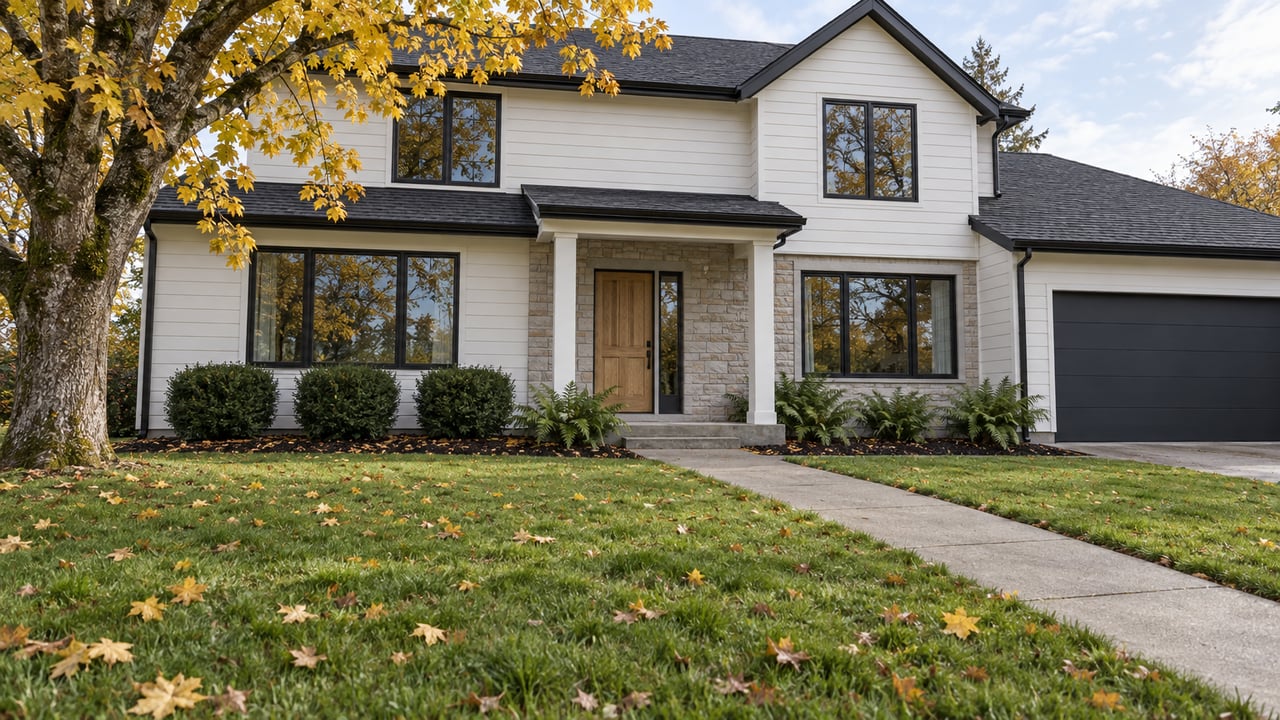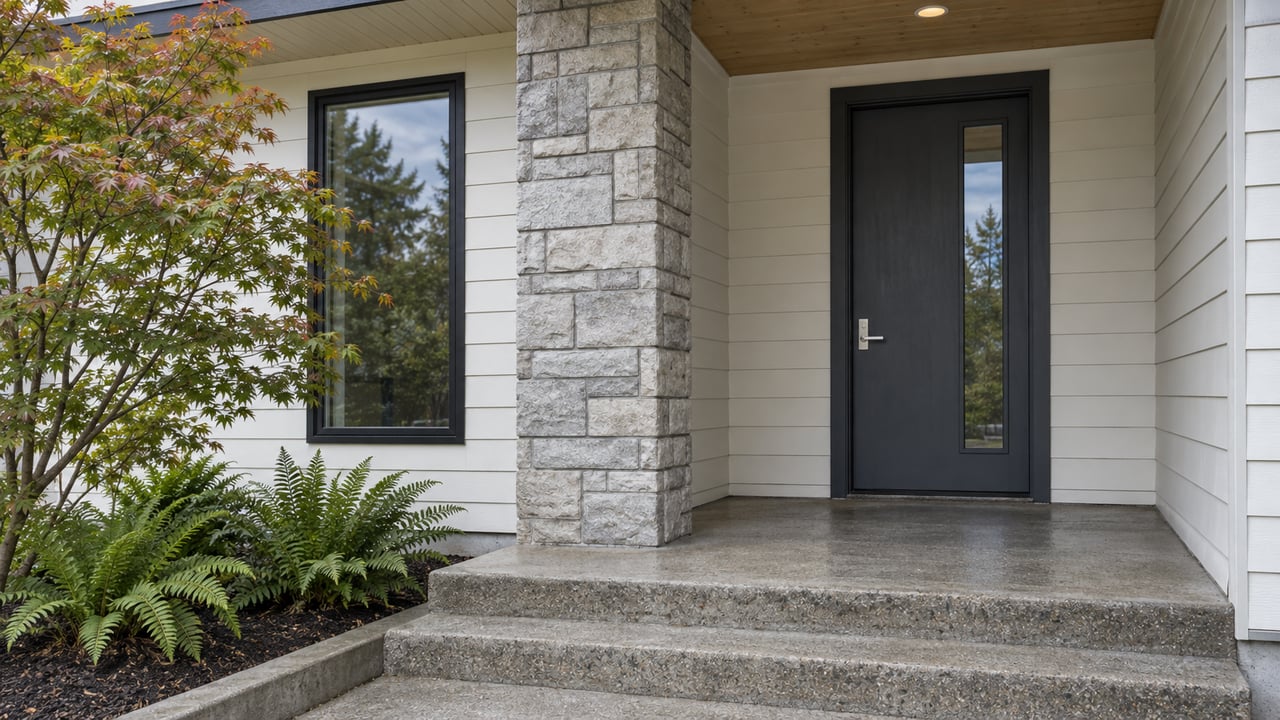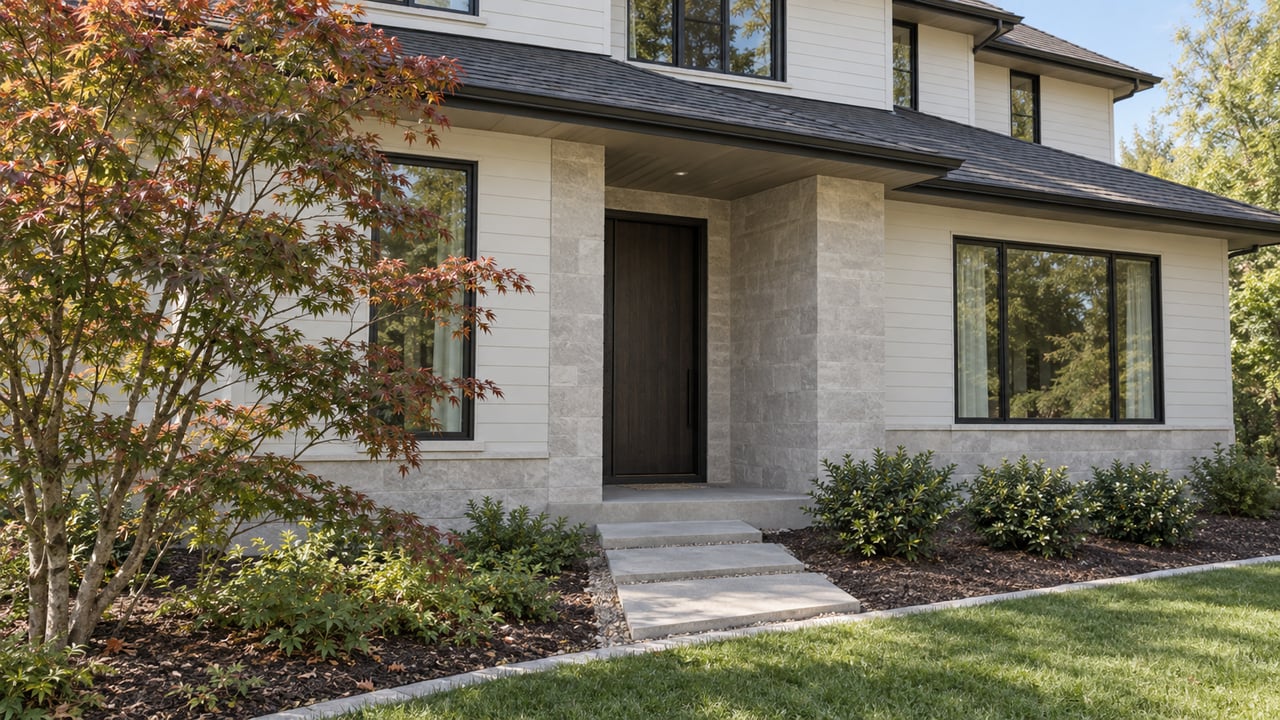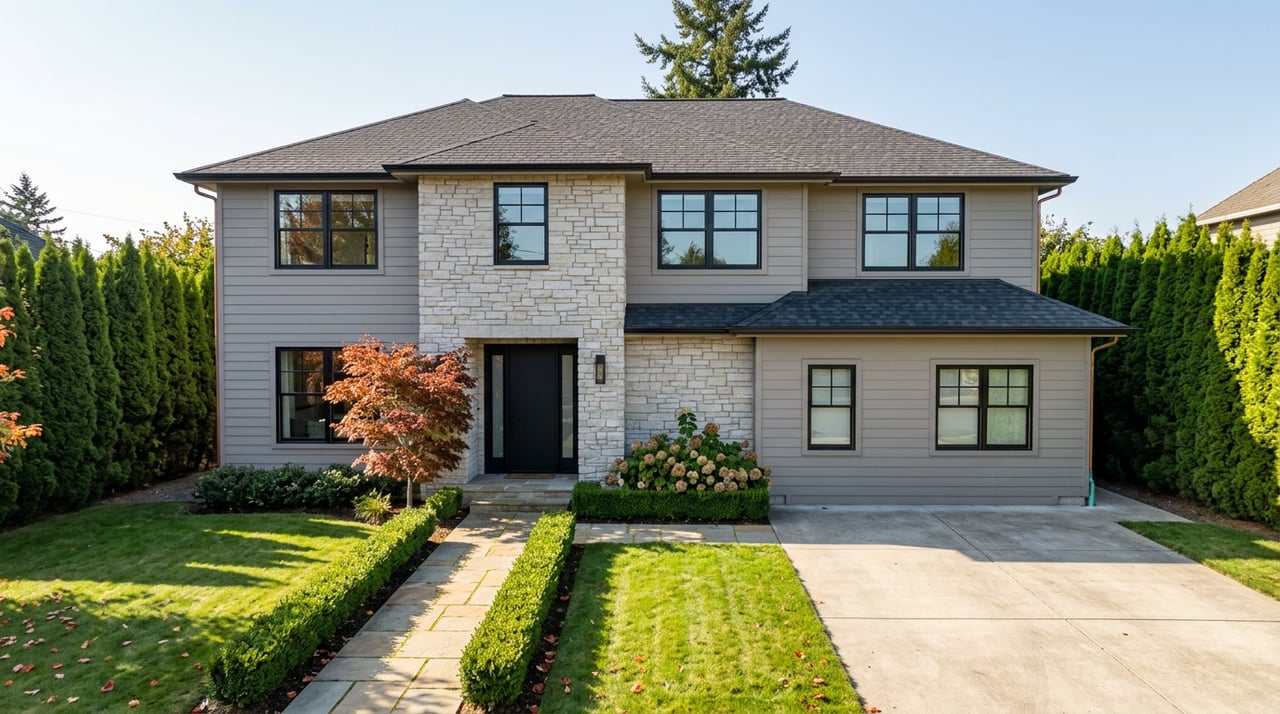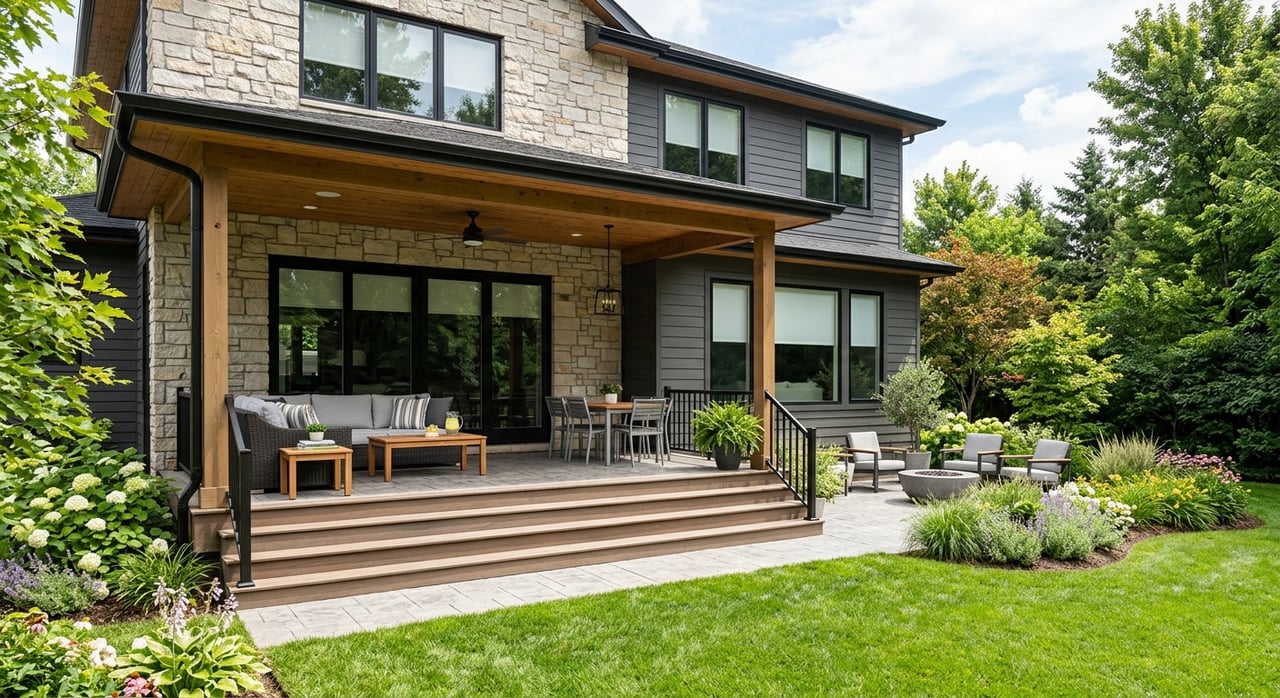
If you are selling a newer home in Happy Valley, you may run into a frustrating question from buyers right away: Why choose your home instead of a brand-new one down the street? That is a fair comparison in a fast-growing city where many homes were built after 1990 and new construction is still part of the local conversation. The good news is that a newer resale can compete very well when you price it correctly, present it thoughtfully, and show buyers why it may be the easier move. Let’s dive in.
Why this matters in Happy Valley
Happy Valley gives this topic real weight because it is one of Oregon’s fastest-growing communities, with more than 1,000 acres annexed in recent years according to the city. The city also reports that 81% of housing units were built after 1990, which means many sellers are not competing against outdated resale homes. They are competing against newer homes and active builder inventory.
That local setup changes buyer expectations. In many Happy Valley neighborhoods, buyers are not only comparing floor plans and finishes. They are also comparing HOA costs, neighborhood amenities, and whether a home feels fully complete from day one.
Recent market data also shows why details matter. Redfin’s April 2026 numbers show a median sale price of $674,652, median days on market of 60, a 99.2% sale-to-list ratio, and 35.8% of homes with price drops. Realtor.com’s March 2026 data points to similar themes, even with different numbers, which is a reminder that pricing precision still matters in this market.
What buyers see in new construction
New construction often comes with a simple story that buyers understand fast. Many newly built homes include a builder warranty, and builders may also offer incentives like mortgage rate buydowns, price cuts, or finish upgrades. That can make a new home feel lower risk and easier to justify on paper.
In Happy Valley, that comparison can feel even stronger because many neighborhoods are newer private developments with shared amenities and a polished look. Buyers may walk through a builder model and feel like everything is fresh, coordinated, and easy. If your home is also relatively new, your job is to show that it offers something just as valuable: less hassle and more completeness.
Lead with your home’s finished feel
A newer resale should not try to win by pretending it is brand new. It should win by showing buyers that it is already done.
That means highlighting the parts of the home that a new build may not include at the same level on move-in day. In many cases, your home may already have:
- Established landscaping
- A finished backyard
- Window coverings already installed
- Completed lighting choices
- A lived-in, functional feel
- A neighborhood that is more settled than an active construction area
Those details matter because they reduce the buyer’s project list. Instead of budgeting for blinds, fencing, backyard work, or landscape finishing, a buyer may be able to move in and enjoy the home right away.
Price for today’s competition
Pricing is one of the biggest mistakes sellers make when they compete against new builds. It is easy to look at what you paid for the home, what you spent on upgrades, or what nearby builders are asking. But buyers are usually comparing current options, not your cost history.
The stronger pricing approach starts with recent comparable sales, active competition, and buyer search behavior. Research in the report notes that buyers search within price ranges, so even a modest pricing change can affect how many people see your home. In a market where price drops are still common, that matters.
What smart pricing should consider
Your list price should reflect:
- Recent comparable sales in Happy Valley
- Similar active listings nearby
- Lot size, home size, and finish level
- Completed outdoor features and amenities
- HOA costs and neighborhood setting
- The pace of the current market
If speed is important, more competitive pricing may help you stand out faster. If your home has clear advantages over nearby builder inventory, those strengths can support your value, but they still need to match what buyers are seeing in real time.
Stage a newer home anyway
One common mistake is assuming a recently built home does not need staging. In reality, staging can still make a major difference.
According to the research report, 83% of buyers’ agents said staging made it easier for buyers to visualize a property as a future home. That is especially important when buyers are also touring polished builder models designed to feel easy and aspirational.
Your home does not need to look overdone. It needs to feel intentional, bright, and easy to understand. Good staging helps buyers focus on the space, imagine how they would live there, and remember your home after they leave.
Focus on the rooms buyers compare most
Pay close attention to the spaces where buyers make quick judgments:
- Entryway
- Kitchen
- Living room
- Primary bedroom
- Outdoor living area
A clean, edited presentation can make your home feel more spacious and more move-in ready. That can be a real advantage over new construction that may still require finishing touches after closing.
Make curb appeal work harder
When buyers pull up to your home, they are already comparing it to builder models and freshly finished streetscapes. That first impression matters.
The research report notes that 92% of REALTORS recommend improving curb appeal before listing. For a newer resale, curb appeal is not about disguising age. It is about showing that the home has been maintained and completed with care.
Exterior details that help
You do not always need a major exterior project. Often, the most useful improvements are visible and practical:
- Fresh mulch
- Trimmed shrubs and trees
- Clean lawn edges
- Seasonal color in planters or beds
- Pressure washing where needed
- Tidy front entry and porch styling
If your backyard is already usable, that can be a strong selling point too. A completed outdoor space may save buyers time, money, and effort compared with a home that still needs work after move-in.
Reduce uncertainty with a pre-listing inspection
Even when a home is newer, buyers can still worry about hidden issues. A pre-listing inspection can help address that concern early.
The research report shows that a pre-listing inspection is optional, but it can reduce surprises and help sellers fix issues before they affect a buyer’s decision. For a newer home, the value is often less about finding major defects and more about smoothing out the process.
When buyers feel that the home has already been looked at carefully, they may move forward with more confidence. That can be especially helpful when they are deciding between your home and a builder sale that feels more predictable.
Tell the right marketing story
When you sell a newer home against new construction, your marketing should not just repeat the year built and bedroom count. It should explain why your home may be the more practical choice.
The strongest angle in Happy Valley is often move-in readiness with less friction. Buyers may respond well to a home that already has the finishing work done, sits in an established part of the community, and offers a more realistic picture of daily life than a model home can.
Key points to emphasize
Your marketing can highlight:
- Completed landscaping and outdoor living space
- Existing window coverings and finished interiors
- A settled neighborhood feel
- HOA context, amenities, and monthly dues where relevant
- Proof of care and condition
- A home that feels ready now, not almost ready
This is where polished presentation and strong local positioning matter. Buyers need help seeing the full value of a resale home, especially when builder incentives are part of the competition.
How HOA communities affect the comparison
In Happy Valley, many homes are in HOA-governed private developments. That means buyers may compare more than just houses. They may also compare community features, monthly association costs, and the overall feel of the neighborhood.
For sellers, this means HOA details should be part of the listing conversation, not an afterthought. Clear information about dues, amenities, and neighborhood upkeep can help buyers understand the full picture and make cleaner comparisons.
A simple strategy for sellers
If you want your newer home to stand out against new builds in Happy Valley, keep your strategy focused. You do not need to beat a builder at everything. You need to show buyers why your home may be easier, more complete, and better aligned with what they want right now.
A strong plan usually includes these steps:
- Price from current market evidence, not past costs.
- Prepare the home to feel polished and intentional.
- Improve curb appeal and highlight finished outdoor spaces.
- Consider a pre-listing inspection to reduce surprises.
- Market the home as a complete, move-in-ready option.
That approach fits what buyers are actually comparing in Happy Valley today. It also helps you compete on value, not just age.
If you are thinking about selling a newer home in Happy Valley, working with a team that understands local pricing, presentation, and buyer expectations can make a real difference. To get started, reach out to Peak Realty for a free home valuation and a strategy tailored to your home.
FAQs
How should you price a newer home in Happy Valley near new construction?
- Use recent comparable sales, current competition, buyer search ranges, and your home’s completed features instead of focusing on what you originally paid or spent on upgrades.
Does a recently built Happy Valley home still need staging?
- Yes. Staging helps buyers picture themselves in the home, and the research report notes that 83% of buyers’ agents said staging makes that easier.
What updates matter most when selling a newer home in Happy Valley?
- Focus on visible, buyer-facing improvements like landscaping, paint, lighting, and a finished backyard because they help the home feel complete and move-in ready.
Should you get a pre-listing inspection for a newer home in Happy Valley?
- Often yes. A pre-listing inspection can reduce surprises, support buyer confidence, and create a smoother transaction.
How do HOA communities affect selling a newer home in Happy Valley?
- In many Happy Valley neighborhoods, buyers compare HOA costs, amenities, and neighborhood setting along with the home itself, so those details should be presented clearly.