If you want to sell your Tigard home this season, prep matters more than many sellers expect. Even in a market where some homes move quickly, buyers still compare condition, price, and presentation the moment a listing goes live online. The good news is that you do not need to overhaul everything to make a strong impression. With the right plan, you can focus on the updates that help your home show well in person and on screen. Let’s dive in.
Why seasonal prep matters in Tigard
Tigard’s housing market gives well-prepared sellers a real opportunity, but it is not a market where you can skip the basics. In March 2026, Redfin reported a median sale price of $617,500, 32 median days on market, and a 99.6% sale-to-list ratio in Tigard. Some homes get multiple offers, and hot homes can go pending in around 7 days, but that usually happens when pricing, condition, and launch quality line up.
That matters because buyers in Tigard are not just walking through homes. They are shopping online first. Local broadband access is very high, and national buyer data shows online search plays a major role in how buyers narrow their options before they ever schedule a showing.
Start with your digital first impression
Your first showing usually happens online. NAR found that 43% of buyers said their first step was looking for properties on the internet, 51% found their home through online searches, and 81% rated listing photos as the most useful feature. That means your prep should include photography, video, and visual presentation from day one.
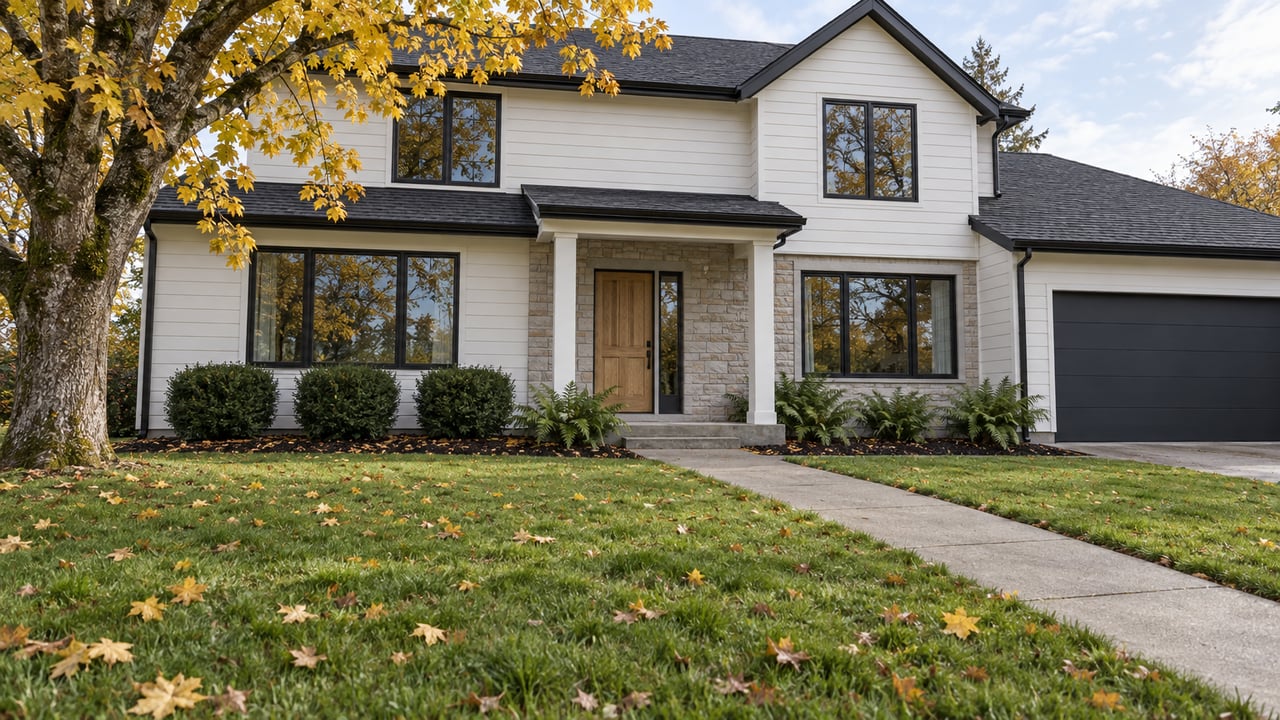
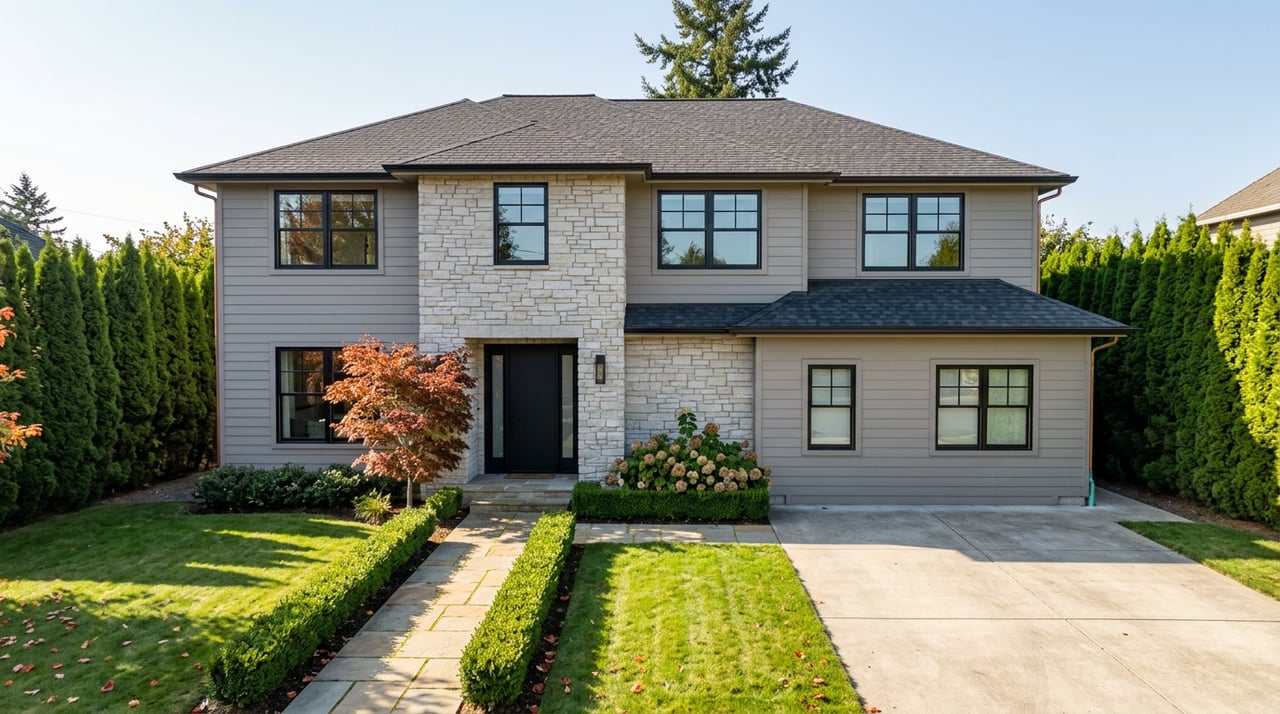
Before you think about listing dates, think about how your home will appear in the first image and the first few seconds of a buyer’s scroll. A strong exterior photo often works best as the lead image, so your front yard, driveway, and entry should be photo-ready before the camera arrives. In a market like Tigard, polished marketing is not an extra. It is part of the selling strategy.
Focus on curb appeal first
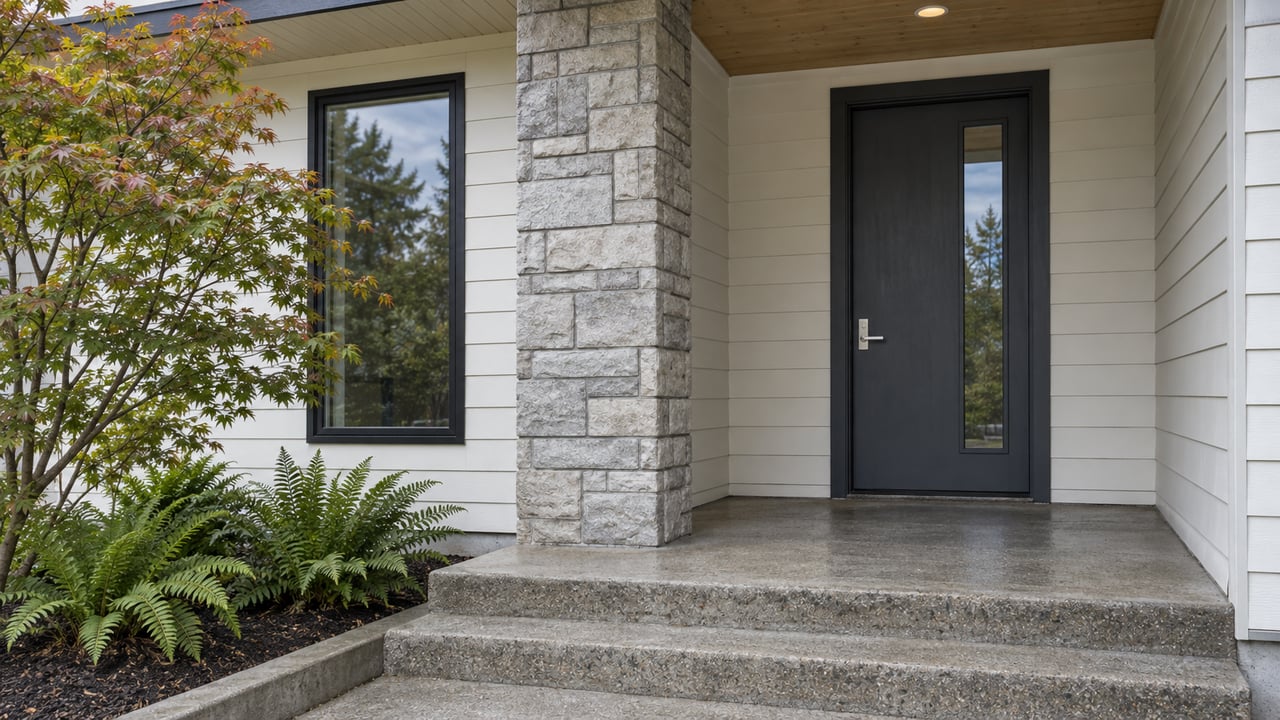
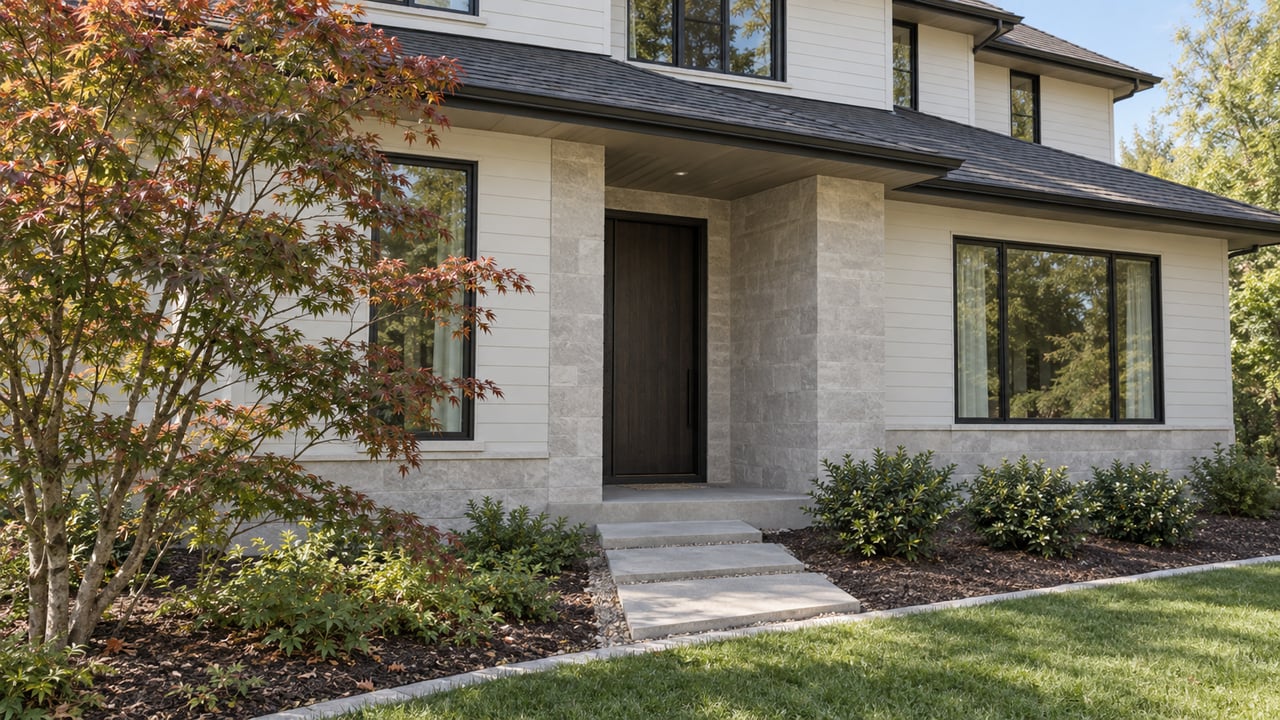
Exterior prep is one of the fastest ways to improve how buyers feel about your home before they step inside. It also helps your listing photos stand out. Cameras tend to magnify grime, clutter, and patchy landscaping, so even small fixes can have a big impact.
Start with the basics:
- Pressure wash siding, the driveway, and walkways
- Mow and edge the lawn
- Trim shrubs and tidy planting beds
- Refresh mulch where needed
- Clean windows and the front door
- Remove any extra items from the porch or entry area
Think of the yard and entry as part of staging, not just maintenance. Outdoor spaces are one of the areas buyers’ agents often want to see presented well. If you have a patio, deck, or seating area, make sure it looks clean, simple, and usable.
Declutter and clean every room
Inside the home, the most effective prep is often the least glamorous. Decluttering, deep cleaning, and depersonalizing are among the most common recommendations when full staging is not used. These steps help buyers focus on the space itself instead of your daily routines or belongings.
Go room by room and remove anything that makes the home feel crowded. That includes extra furniture, stacks of paper, pet items, personal photos, and overloaded shelves. A cleaner, more open room tends to feel larger in person and in photos.
A full-home cleaning should cover more than counters and floors. Pay close attention to baseboards, windows, tile grout, light fixtures, and bathrooms. If carpets are worn or dingy, carpet cleaning can be a worthwhile step before launch.
Make small repairs that buyers notice
You do not need to remodel every space before you sell. In many cases, the best return comes from handling visible maintenance issues that make buyers wonder what else has been overlooked. Small problems can create a bigger sense of risk than their actual cost.
Prioritize items like:
- Paint touch-ups or repainting in neutral tones
- Loose hardware or doorknobs
- Dripping faucets
- Squeaky doors
- Burned-out light bulbs
- Cracked caulk
- Re-grouting tile where needed
These are not flashy upgrades, but they support a home that feels cared for. If you have a flexible nook that can function as a work-from-home area or guest space, make sure it is clean and clearly defined. That kind of practical layout can help buyers picture how they would use the home.
Stage the rooms that matter most
If you plan to stage your home, focus your effort where it counts. NAR points to the living room, primary bedroom, kitchen, dining room, and outdoor spaces as the top priorities. Those are the areas where buyers often make emotional decisions about comfort, function, and value.
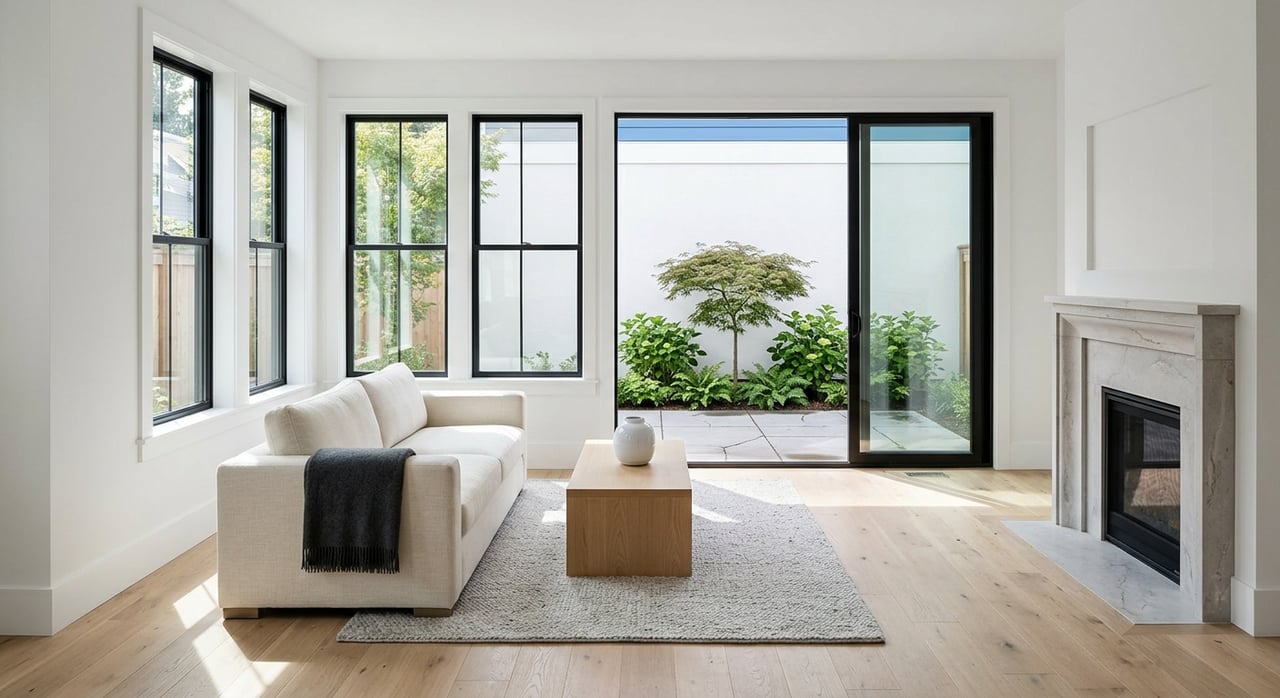
Good staging does not mean adding more stuff. It means creating balance, light, and flow. In a Tigard home, that may look like lighter bedding, fewer decorative items, a simplified kitchen counter, and a clean patio setup that suggests usable outdoor living.
If a room feels tight, remove one or two pieces of furniture before photos. For the photo shoot, open blinds for natural light, take down distracting art, and clear refrigerator magnets and visual clutter. The goal is to help each room read clearly on camera.
Plan a realistic prep timeline
Many sellers underestimate how long it takes to get a home market-ready. Realtor.com’s 2026 Best Time To Sell report found that 53% of sellers took one month or less to get ready to list. That supports giving yourself at least a few weeks, even if your home is already in solid shape.
A simple timeline can help:
| Time Before Listing | Priority |
|---|---|
| 3 to 4 weeks out | Declutter, schedule repairs, gather paperwork |
| 2 to 3 weeks out | Deep clean, paint touch-ups, carpet cleaning, yard work |
| 1 to 2 weeks out | Final staging, alarm checks, photography prep |
| Launch week | Photos, listing copy, pricing, and going live |
If your target is a spring or early-season launch, planning ahead gives you more control. Realtor.com identified the week of April 12 to 18 as the best national listing window for 2026, with more views, faster sales, and higher pricing compared with January listings. While every local market differs, the larger lesson is clear: timing works better when the home is fully ready before you hit the market.
Handle Oregon disclosures early
In Oregon, seller prep is not only about appearance. It also includes documents and property history. Oregon law requires most sellers to complete, sign, and deliver a seller’s property disclosure statement to buyers who make a written offer.
It helps to gather your records early. If you have completed repairs, renovations, or updates, keep invoices and permits together so they are easy to reference. If you are unsure whether past work was properly permitted, the Oregon Property Seller Advisory recommends checking with the city or county building department.
Early organization can save stress later. It also helps you answer buyer questions with more confidence once your home is on the market.
Consider a pre-list inspection
A pre-list inspection is not required, but it can be a smart move in some situations. The Oregon Property Seller Advisory highlights common buyer concerns around professional inspections, pest and dry rot, radon, mold, and water intrusion. If your home has older systems, deferred maintenance, or a repair history that may raise questions, getting ahead of those issues can help.
For some sellers, a targeted inspection may be enough. For others, a full pre-list inspection creates a clearer roadmap for what to fix now, what to disclose, and how to price the home appropriately. The main advantage is fewer surprises once a buyer is under contract.
Check smoke and CO alarms
Before you market your home, make sure your safety items are current. The Oregon State Fire Marshal says smoke alarms are required on every level and outside sleeping areas. Carbon monoxide alarms are required when selling if the home has a CO source, and homes built in 2011 or later require CO alarms regardless of source.
This is a simple task, but it is easy to overlook during the rush of listing prep. Replace batteries or outdated units as needed, and confirm placement before showings begin. It is one of the easiest ways to avoid preventable hiccups.
Connect pricing and marketing
A strong sale this season depends on more than just getting your home cleaned up. Pricing strategy and marketing plan should work together. NAR’s 2025 seller profile found that sellers ranked marketing the home, pricing it competitively, and selling within a specific timeframe as their top priorities.
That is especially true in Tigard, where some homes move fast but buyers still compare value closely. The right price helps generate attention, and polished presentation helps convert that attention into showings and offers. When those pieces align, you give your home the best chance to stand out.
What Peak Realty helps sellers do
Selling your Tigard home is easier when you have a clear plan from the start. At Peak Realty, that means helping you focus on the prep steps that improve presentation, support a polished digital launch, and align with local market conditions. You do not need a giant punch list. You need the right one.
If you are thinking about selling this season, start with a clear view of your home’s likely market position and what buyers will notice first. Get your free home valuation from Peak Realty and take the next step with confidence.
FAQs
How much prep does a Tigard home usually need before listing?
- Most homes benefit from decluttering, deep cleaning, small repairs, yard cleanup, and photo prep, even if no major updates are needed.
Which home improvements matter most before selling in Tigard?
- The most effective steps are usually low-cost items buyers notice right away, such as paint touch-ups, carpet cleaning, re-grouting tile, minor repairs, and improving curb appeal.
Is a pre-list inspection worth it for an Oregon seller?
- It can be helpful if your home has older systems, deferred maintenance, or issues that may come up during a buyer inspection, because it gives you more time to plan repairs and disclosures.
What disclosures do Oregon home sellers need to prepare?
- Most sellers need to complete and sign a seller’s property disclosure statement, and it is wise to gather invoices and permits for past repairs or remodels before listing.
What alarm requirements apply when selling a home in Oregon?
- Smoke alarms are required on every level and outside sleeping areas, and carbon monoxide alarms are required when selling if the home has a CO source, with homes built in 2011 or later requiring CO alarms regardless of source.
When should listing photos be scheduled for a Tigard home sale?
- Schedule photography only after the yard, entry, main living areas, and key staged spaces are fully ready, because buyers often form their first impression from the listing photos.