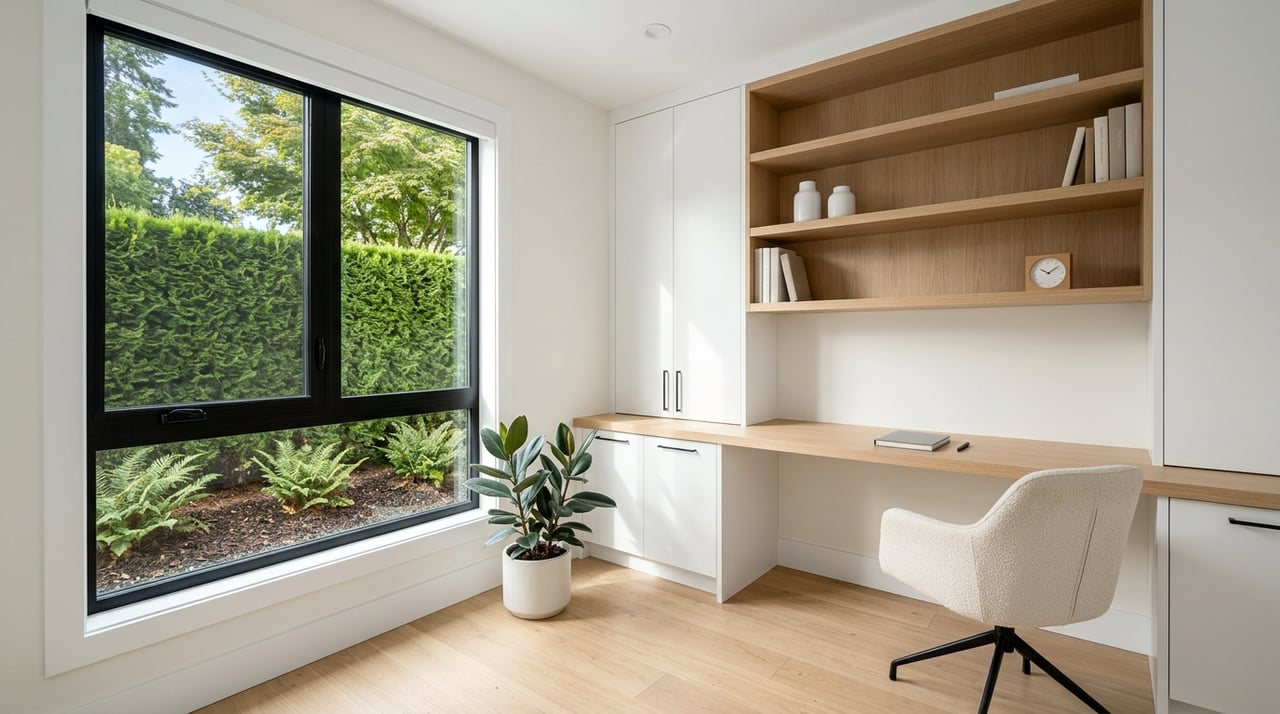
If you work from home, where you live shapes more than your commute. It affects how easy it is to grab coffee between calls, how much room you have for a real office setup, and whether getting into Portland for meetings feels simple or stressful. If you are weighing Portland against the suburbs, this guide will help you compare the tradeoffs so you can focus on the place that fits your work style and everyday life. Let’s dive in.
Portland vs. the suburbs
For most remote workers in the Portland area, the choice comes down to amenities versus space. Portland offers more walkable districts, more coffee shops and restaurants, and more options for a car-light routine. The suburbs often offer more room, easier parking, and layouts that may work better for a dedicated home office.
That does not mean the suburbs are cut off from remote-work convenience. In places like Beaverton, Tigard, and Lake Oswego, you can still find coworking space, meeting rooms, and transit options that support hybrid schedules. The better fit depends on how often you leave home for work and what kind of daily rhythm you want.
What remote workers should compare
Before you choose a Portland neighborhood or suburb, it helps to look at a few practical factors side by side.
Internet at the exact address
Citywide broadband subscription rates are high across Portland, Beaverton, Tigard, Lake Oswego, and Happy Valley. Still, internet availability can vary block by block, so Oregon’s Broadband Office recommends using the FCC National Broadband Map to check service at a specific address.
For remote work, this is one of the most important steps in your home search. A home that looks perfect on paper may not have the service mix you want, whether that means fiber, cable, or another option.
Space for a real home office
If you need a quiet office, larger household layouts may matter more than walkability. Based on Census QuickFacts data in the research, average household size increases as you move outward, with Happy Valley at 2.96 and Portland at 2.15.
That does not measure office space directly, but it can be a useful clue when comparing a condo or smaller city home with a larger suburban layout. If your workday includes video calls, dual desks, or a separate study area, that extra room can make a big difference.
Transit and hybrid flexibility
If you go into an office a few times a week, transit access may still matter even if you work remotely most days. This is where the suburbs differ quite a bit.
According to TriMet’s transit center information, Beaverton Transit Center is one of the system’s busiest hubs and connects MAX Blue, MAX Red, WES Commuter Rail, and multiple bus lines. WES also serves Beaverton, Tigard, Tualatin, and Wilsonville, but it runs only on weekdays during morning and afternoon rush periods, which makes it more useful for hybrid schedules than all-day travel.
Backup workspace options
Some remote workers do not want to rely on the kitchen table or a spare bedroom every day. Portland and several suburbs offer coworking options, which can be helpful for meetings, focused work, or a change of scenery.
The research shows that CENTRL Office locations include Portland’s Eastside, Pearl District, West End, and downtown Lake Oswego. You can also find Kiln in Southeast Portland, Life Time Work in Beaverton, Regus in Lake Oswego and Tigard, and CoLab in Tigard.
Best Portland areas for urban remote work
If you want the most urban, car-light setup, Portland is the strongest choice in this group. The official Travel Portland neighborhood guide highlights the Pearl District, Northwest/Nob Hill, Slabtown, Division/Clinton, Hawthorne, Belmont, Central Eastside, and Sellwood-Moreland as districts known for walkability, cafés, restaurants, shopping, and transit access.
For many remote workers, that means easier breaks during the day and more reasons to leave the house without getting in the car. If you like the idea of walking to coffee, taking transit, or keeping your daily errands compact, these neighborhoods stand out.
Portland also posts the lowest citywide housing figures in this comparison, with a median owner-occupied home value of $557,600 and median gross rent of $1,655. At the same time, average household size is the smallest in the group, which may matter if you want more interior space for work.
Best suburbs for remote workers
Not every remote worker wants an urban setup. If you are looking for more square footage, easier parking, or a home-office-first lifestyle, the suburbs may be a better fit.
Beaverton: best all-around balance
Beaverton is one of the strongest suburban choices if you want a middle ground. It offers a more suburban feel than inner Portland, but it still has meaningful transit access and coworking support for hybrid schedules.
TriMet identifies Beaverton Transit Center as a major hub, and that gives you access to MAX, WES, and bus connections. For workspace backup, Life Time Work Beaverton offers day passes, meeting rooms, private offices, and secure fast Wi-Fi based on the research.
From a cost standpoint, Beaverton sits close to Portland in this comparison. Census QuickFacts shows a median home value of $569,800, median rent of $1,826, broadband subscription at 94.8%, and mean travel time to work of 24.1 minutes.
Tigard: strong westside value
Tigard is worth a close look if you want suburban space without giving up access to transit and shared workspace. WES stops at Tigard Transit Center, and the area also has several bus connections.
It also has a real flexible-office footprint. The research notes that CoLab advertises 10 Gbps fiber, 24/7 access, free parking, and meeting rooms, while Regus gives you another coworking option in the city.
Tigard’s citywide numbers place it in the middle of the pack. Median home value is $610,500, median rent is $1,782, broadband subscription is 95.8%, and mean travel time to work is 22.9 minutes.
Lake Oswego: premium suburban setup
Lake Oswego is the premium option in this group. If your priority is a higher-end suburban housing profile with access to local coworking, it stands out.
The research shows that both CENTRL Office and Regus have coworking options in Lake Oswego. Transit is more bus-based than rail-based, with Lake Oswego Transit Center routes including 35, 37, 78, and 153, so it may fit best if you commute only occasionally.
Lake Oswego has the highest housing figures in this comparison, with a median home value of $932,200 and median rent of $2,139. It also has the highest broadband subscription rate listed here at 97.2%.
Happy Valley: more space, home-first living
Happy Valley is a strong option if your remote-work priorities center on space and a home-based routine. In this research set, it has the largest average household size at 2.96, which may point buyers toward roomier layouts compared with more urban areas.
Transit is more limited than in Beaverton or Tigard. Service is more bus-based, with routes such as 155 and 156 linking the area to Clackamas Town Center, so this location is often a better fit if you expect to drive more and spend most of your workweek at home.
Happy Valley’s median home value is $725,300, median rent is $2,029, broadband subscription is 95.7%, and mean travel time to work is 27.4 minutes.
Quick comparison by area
| Area | Best fit for | Median home value | Median rent | Broadband subscription |
|---|---|---|---|---|
| Portland | Urban, car-light remote work | $557,600 | $1,655 | 93.9% |
| Beaverton | Hybrid balance | $569,800 | $1,826 | 94.8% |
| Tigard | Westside value and flexibility | $610,500 | $1,782 | 95.8% |
| Lake Oswego | Premium suburban setup | $932,200 | $2,139 | 97.2% |
| Happy Valley | More space and home-office focus | $725,300 | $2,029 | 95.7% |
Which area may fit you best?
If you want a walkable lifestyle with cafés, transit, and a more urban workday, Portland’s inner neighborhoods are likely the best match. Areas like Pearl District, Northwest/Nob Hill, Hawthorne, Belmont, and Central Eastside offer the strongest amenity density in this comparison.
If you want the best overall suburban compromise, Beaverton stands out. It combines stronger transit connections with suburban living and useful backup workspace options.
If you want a westside suburb with a practical balance of value, space, and remote-work support, Tigard deserves attention. If you want a more premium suburban environment, Lake Oswego is the clearest fit. And if you want to prioritize home-office space and a more home-centered routine, Happy Valley may make the most sense.
One final tip before you choose
No matter which area you prefer, check internet service at the exact address before you make an offer or sign a lease. Citywide numbers are helpful, but remote work happens at the home level, not the ZIP code level.
If you are comparing Portland, Beaverton, Tigard, Lake Oswego, or Happy Valley and want help narrowing down the right fit for your lifestyle, commute needs, and budget, connect with Peak Realty. You will get local guidance grounded in how people actually live and work across the Portland metro.
FAQs
What Portland neighborhoods are best for remote workers who want walkability?
- Portland neighborhoods highlighted in the research include Pearl District, Northwest/Nob Hill, Slabtown, Division/Clinton, Hawthorne, Belmont, Central Eastside, and Sellwood-Moreland because they offer strong walkability, cafés, restaurants, shopping, and transit access.
Is Beaverton a good suburb for remote and hybrid workers?
- Yes. Beaverton stands out for its mix of suburban housing, strong transit connections through Beaverton Transit Center, and access to backup workspace like Life Time Work.
How does Tigard compare with Beaverton for remote work?
- Tigard offers a similar suburban feel with WES access and coworking options, and the research positions it as a strong westside value choice for buyers who want flexibility.
Is Lake Oswego a practical choice for remote workers?
- Yes, especially if you want a premium suburban setting with local coworking options and only occasional commuting needs rather than daily rail access.
Why should remote workers check internet by address in Portland-area suburbs?
- Broadband availability is location-specific, so the best way to confirm service options is to verify the exact address using the FCC National Broadband Map before you move forward.