If you are thinking about buying a rental home in Beaverton, it is easy to focus on the purchase price and advertised rent. But in this market, the better question is whether the property fits the area, the likely tenant, and the rules that will shape your long-term returns. When you understand Beaverton’s demand drivers, housing mix, and rent limits, you can make a more confident investment decision. Let’s dive in.
Why Beaverton Draws Rental Demand
Beaverton offers a renter base that is more balanced and more stable than many buyers expect. According to the U.S. Census QuickFacts for Beaverton, the city had a 2024 population of 98,302, a median household income of $98,622, and an owner-occupied housing rate of 50.5%. That near-even split between owners and renters matters because it points to broad housing demand rather than a market dominated by only one group.
For rental buyers, that balance can support a steady pool of tenants with a wide range of housing needs. Beaverton also has a highly educated population, with 50.1% of residents holding a bachelor’s degree or higher, which can influence demand for well-located, functional homes close to work and transit. In practical terms, many renters may care just as much about convenience and commute options as they do about square footage.
Employment and Transit Matter
A major reason Beaverton remains attractive for renters is its connection to jobs and regional transportation. The city’s planning documents note that the Beaverton Regional Center includes 2,290 residents, 5,290 employees, and 1,047 dwelling units, while nearby employment hubs include the Nike Campus office-industrial district. These employment anchors can support consistent rental demand in the surrounding areas.
Transit access is another key factor. TriMet’s Beaverton Transit Center connects MAX Blue, MAX Red, WES commuter rail, and several bus routes, giving renters multiple ways to move around the metro area. If you are comparing two similar homes, the one with easier access to major job centers or transit may deserve a closer look.
Rent and Price Numbers Need Context
Beaverton rent data is useful, but it should not be treated as one exact number. The U.S. Census QuickFacts reports a median gross rent of $1,826 for 2020 through 2024. Other sources in the research show similar but not identical estimates, which is a reminder to view rents as a range tied to property type, condition, and location.
The city’s housing analysis also points to a relatively tight rental market. In that report, rental vacancy had stayed below 5% for most of the prior two decades, was below 4% at the time of reporting, and average rents had nearly doubled since 2011 to about $1,600 per month. That does not guarantee top-dollar rent for every property, but it does support the idea that Beaverton has had durable underlying rental demand.
Cash Flow Can Be Tight
Here is where many buyers need to slow down. According to Zillow’s Beaverton home value data, the average home value was $520,499 in late 2025, down 2.6% year over year. The Census also shows a median owner-occupied home value of $569,800 and a median monthly mortgage cost of $2,413 for owners with a mortgage.
That gap between home values and rents suggests many leveraged purchases may be tighter on monthly cash flow than buyers first assume. In other words, Beaverton may function more like a buy-and-hold market where location, property choice, and long-term strategy matter more than immediate cash flow, especially for detached homes at today’s prices.
Choose the Right Property Type
One of the biggest mistakes rental buyers make is using a citywide average to judge every property. Beaverton’s housing stock is diverse, and different property types often perform differently. The city’s housing needs analysis says 54% of Beaverton’s housing units are attached, including 34% in buildings with five or more units and 21% in other attached housing like duplexes, triplexes, fourplexes, and townhomes.
Single-detached homes make up 43% of the city’s housing stock. That means your options usually fall into a few practical categories, each with a different investment profile.
Detached homes
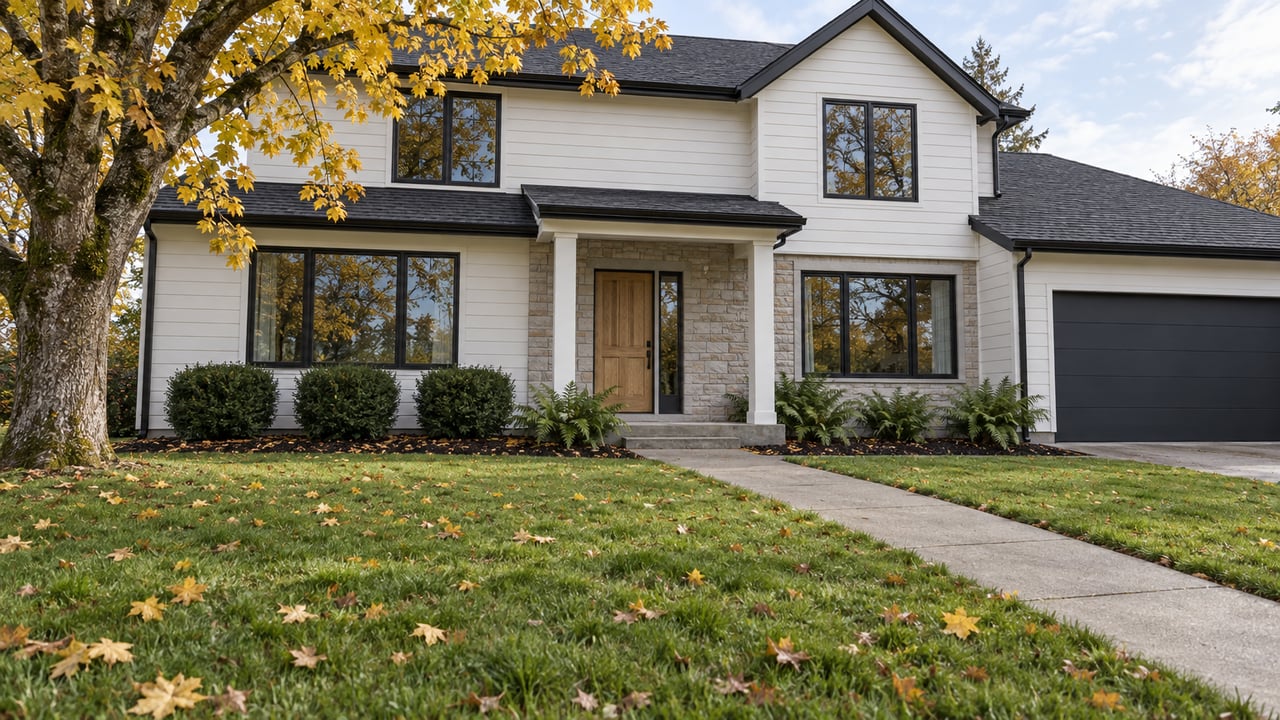
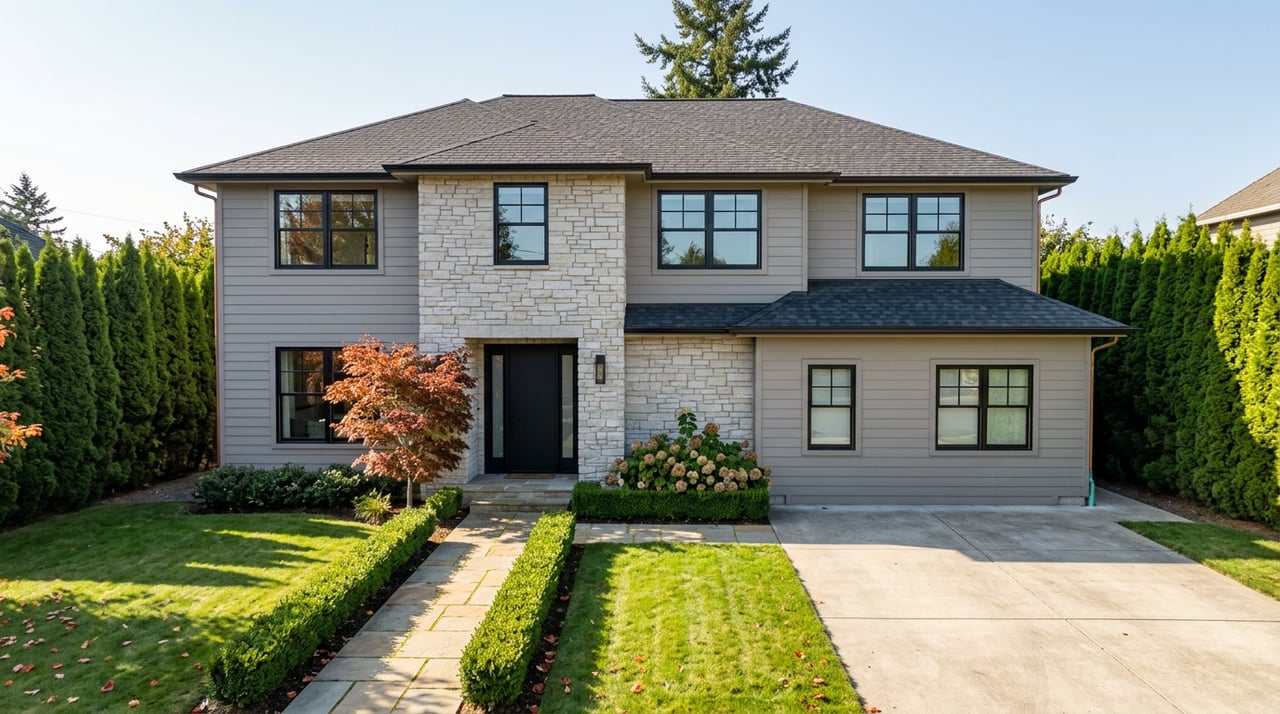
Detached single-family homes may appeal to renters looking for more space, storage, or private outdoor areas. These homes can attract strong demand in some parts of Beaverton, but they often come with higher acquisition costs and potentially tighter cash flow.
Townhomes and duplex-style homes
Townhomes, duplexes, triplexes, and similar attached housing can offer a middle ground. They may provide a lower-maintenance option than a detached house while still appealing to renters who want more separation than a large apartment community can offer.
Condos and smaller multifamily near transit
Homes near transit-oriented areas can fit renters who value convenience and easier commuting. In some cases, these properties may line up better with Beaverton’s employment and transportation patterns, but they also require careful HOA or association review.
Location Within Beaverton Matters
Not every part of Beaverton behaves the same way. The city identifies neighborhood association areas including Central Beaverton, Denney Whitford / Raleigh West, Five Oaks / Triple Creek, Greenway, Highland, Neighbors Southwest, Sexton Mountain, South Beaverton, Vose, West Beaverton, and West Slope. Planning documents also distinguish places like the Regional Center, Old Town, Creekside / The Round, and East areas.
That matters because tenant preferences can vary by location. For example, planning documents describe The Round as a transit-oriented development next to a MAX station, while Old Town is described as the historic core. If you are buying for rental demand, compare each property against the likely tenant profile for that immediate area rather than assuming all of Beaverton rents the same way.
Underwrite Conservatively
In a market like Beaverton, conservative underwriting is not optional. It is one of the best ways to avoid overpaying for a property that looks good on paper but struggles in real life. Because home values are substantial and rent growth is regulated, your numbers should leave room for maintenance, vacancies, dues, and slower-than-expected increases.
A practical underwriting checklist should include:
- Estimated rent based on similar nearby properties, not broad city averages alone
- Mortgage payment, taxes, insurance, and maintenance
- Vacancy assumptions, even in a relatively tight market
- HOA dues, if applicable
- Reserve funds for repairs and turnover costs
- Rent increase limits under Oregon law
Know Oregon Rent Stabilization Rules
State law has a direct impact on rental planning. According to Oregon’s rent stabilization guidance, residential rental units that are 15 years old or older have a 2026 maximum annual rent increase of 9.5%. The state also limits landlords to one rent increase per 12-month period, and rent increases generally require 90 days’ notice.
These rules do not prevent a strong long-term investment, but they do affect how you model future income. If your numbers only work because you expect aggressive rent growth, you may want to revisit the deal before writing an offer.
Review HOA and Condo Documents Carefully
Because Beaverton has a large share of attached housing, association review is especially important here. The Oregon Real Estate Agency notes that condominium unit owner associations must file annual reports, which reflects how formal and document-driven these communities can be.
Before you move forward on a condo, townhome, or other HOA-managed property, pay close attention to:
- Monthly dues
- Reserve strength
- Special assessment history
- Rental caps
- Minimum lease terms
- Parking rules
- Any policies that may affect your intended tenant profile
A property with a lower purchase price can become much less attractive if the association has weak reserves, strict leasing limits, or high dues that hurt your monthly numbers.
Watch for Program Restrictions
Some properties may have affordability restrictions or public program requirements attached to them. If that applies, the rules can affect rent limits, notices, compliance, or turnover assumptions. The Oregon Housing and Community Services compliance guidance is a reminder that these details need to be verified before you rely on a standard rental model.
This is one more reason due diligence matters so much in Beaverton. The best rental purchase is not always the one with the highest advertised rent. Often, it is the one where the location, property type, and regulatory structure all align.
What a Strong Beaverton Rental Buy Looks Like
A strong rental purchase in Beaverton usually checks a few boxes at once. It fits the likely tenant for that area, offers practical access to jobs or transit, and has numbers that still work under conservative assumptions. It also comes with a clear understanding of HOA rules and state rent regulations.
If you are buying in Beaverton, the goal is not just to find a house that could be rented. It is to find a property that makes sense for the neighborhood, your budget, and your long-term plan. If you want local guidance as you compare homes, neighborhoods, and investment tradeoffs in the Portland metro, Peak Realty can help you make a more informed move.
FAQs
What should you look for when buying a rental home in Beaverton?
- Focus on location, likely tenant demand, property type, monthly carrying costs, HOA rules, and Oregon rent stabilization limits before making an offer.
Is Beaverton a good market for rental property investing?
- Beaverton appears to be more of a stable buy-and-hold market than a high-cash-flow market, with steady demand supported by jobs, transit access, and a relatively tight rental market.
Are condos and townhomes good rental options in Beaverton?
- They can be, especially because attached housing makes up a large share of Beaverton’s housing stock, but you should review dues, reserves, rental caps, parking, and lease rules carefully.
How do Oregon rent increase rules affect Beaverton rentals?
- For many residential rental units that are 15 years old or older, Oregon limits annual rent increases and generally requires 90 days’ notice, so buyers should underwrite future rent growth conservatively.
Does location within Beaverton matter for rental demand?
- Yes. Areas near transit, employment centers, and mixed-use districts may appeal to different renters than more residential parts of the city, so neighborhood-level analysis is important.