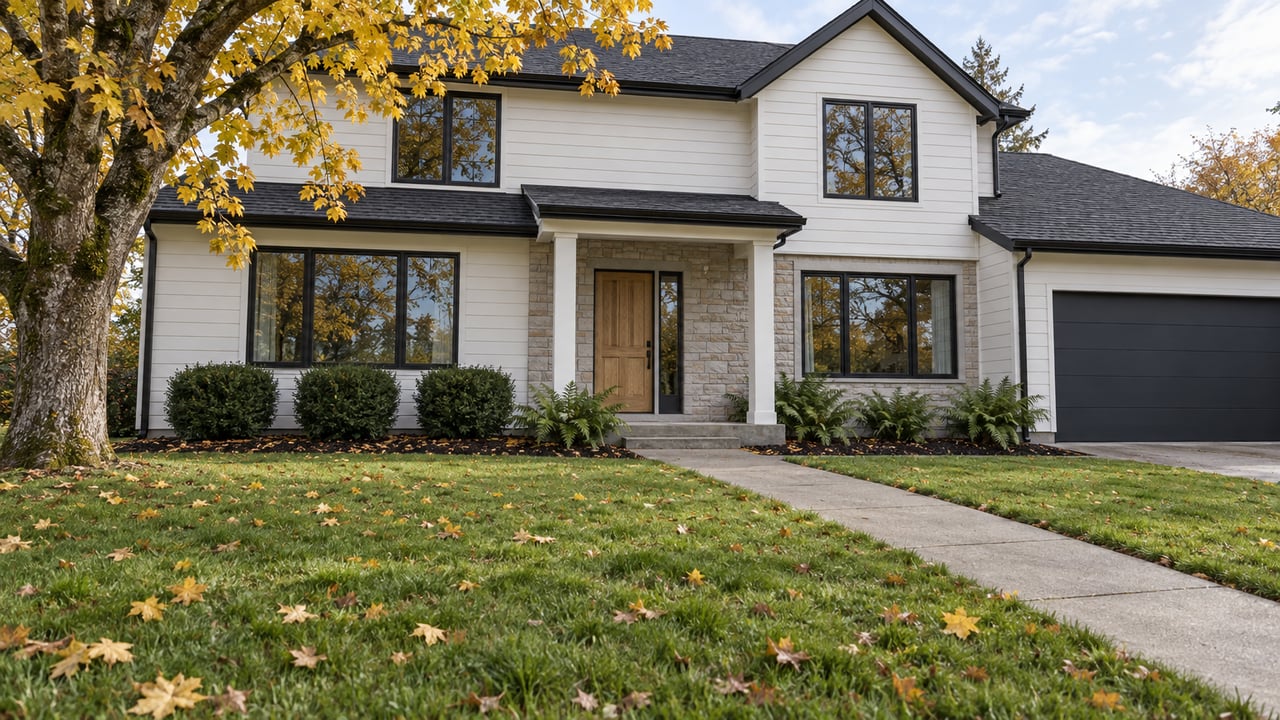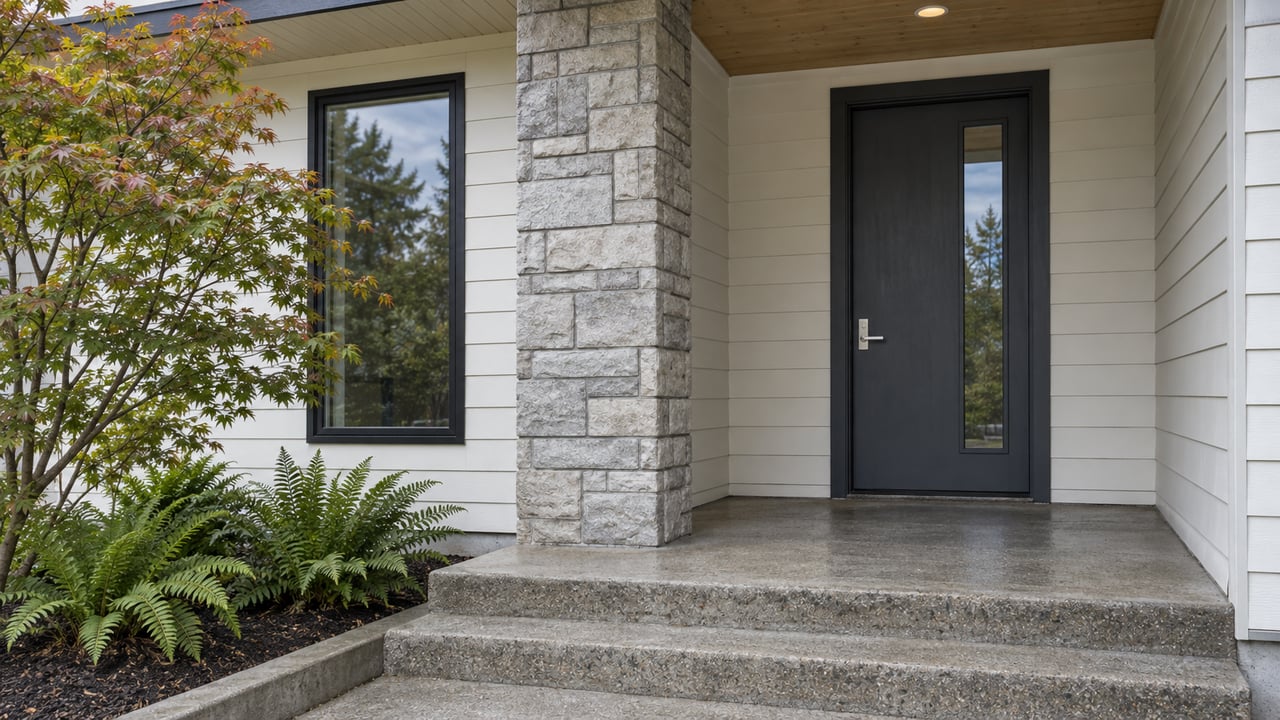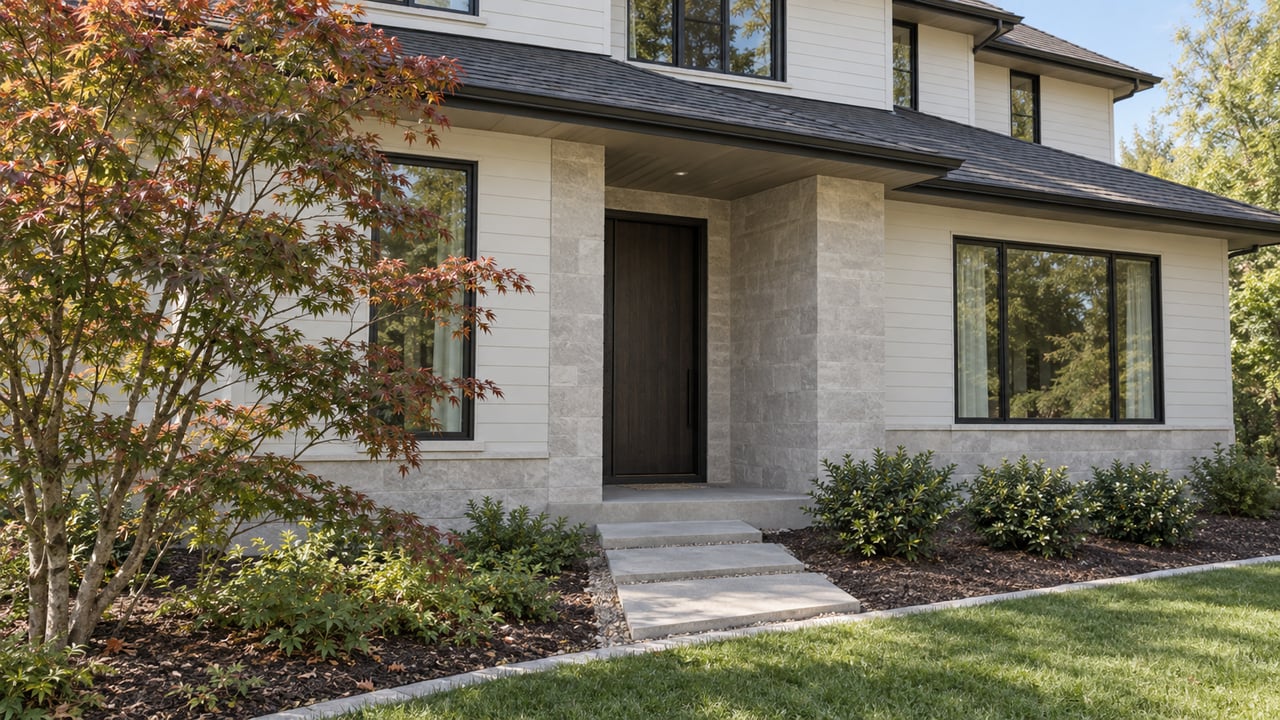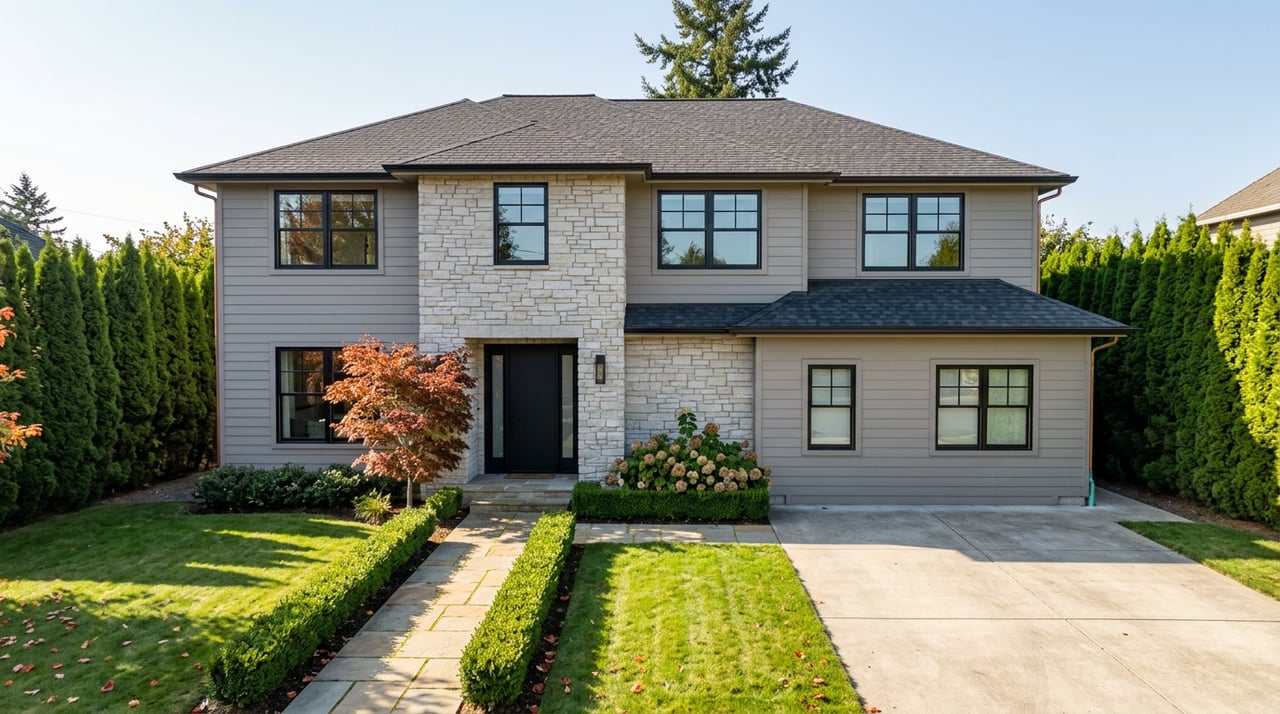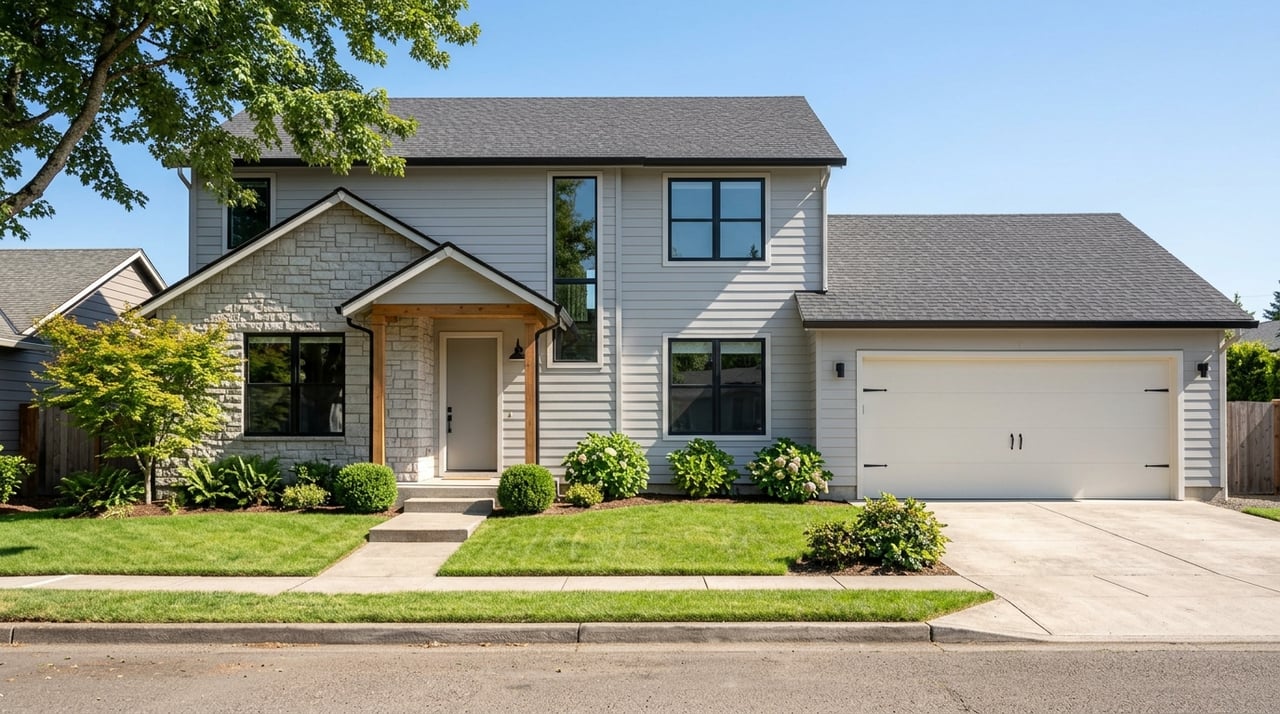
If you are moving up in Tigard, the big question usually is not whether you want more space. It is what kind of space matters most to you. Maybe you want a bigger yard, an extra bedroom, a quieter setting, or a location that still keeps daily errands and commuting manageable. This guide breaks down how Tigard neighborhoods compare for move-up buyers so you can sort through the tradeoffs with more confidence. Let’s dive in.
Tigard as a move-up market
Tigard’s citywide median sale price was $617,500 in March 2026, with a median 32 days on market. That gives you a useful starting point, but it does not tell the full story. The neighborhood-level data show that Tigard is much more segmented than the city average suggests.
For move-up buyers, the clearest public signals are price, days on market, and the kind of lot sizes you are likely to find. In broad terms, Tigard breaks into three patterns: larger detached-home areas like Bull Mountain, redevelopment-focused mixed-use areas like the Tigard Triangle, and established residential pockets like West Tigard, North Tigard, Southview, and Downtown Tigard.
Tigard also offers lifestyle value beyond the house itself. The city reports more than 16 miles of paved trails and nearly 550 acres of parks and open space, which can matter when you are trying to balance indoor space, yard space, and access to the outdoors.
Bull Mountain for more house and yard
If your top goal is more house and more yard, Bull Mountain is the clearest fit in Tigard. Public data point to this area as the strongest option for buyers who want larger detached homes and more breathing room. It tends to line up well with buyers who are willing to trade some walkability for lot size and privacy.
Bull Mountain posted a median sale price of $619,000 in March 2026. East Bull Mountain came in higher at $785,000, with 90 days on market, which suggests a different pricing tier and a slower pace in that submarket.
Representative listings help show what “more space” can look like here. Recent examples included lots of 0.49 acres, 0.66 acres, and 0.87 acres, with homes ranging from roughly 2,473 to 3,442 square feet and build years from 1968 to 1989. If you are coming from a smaller lot elsewhere in Tigard, that is a meaningful jump.
The area also has public open-space planning behind it. The West Bull Mountain concept plan includes a mix of housing types, along with neighborhood parks and trails, and calls for each neighborhood to have a park within a five-minute walk. On the ground today, Bull Mountain Park is a 10-acre neighborhood park, and Elizabeth Price Park on Bull Mountain adds another 2.5 acres with a playground and picnic area.
What to expect in Bull Mountain
- Larger detached homes and bigger lots
- A more car-oriented daily pattern
- More privacy than denser parts of Tigard
- Higher pricing in East Bull Mountain than Bull Mountain overall
East Bull Mountain’s transportation scores are 38 for walk, 28 for transit, and 43 for bike. That supports what many buyers already expect here: this is generally a drive-first area rather than a walk-first one.
Tigard Triangle for location and redevelopment
The Tigard Triangle tells a very different story. If Bull Mountain is about yard size, the Triangle is more about access, lower entry pricing, and future growth potential in a mixed-use setting.
The Triangle sits in northeast Tigard, east of Downtown, bounded by Highway 99W, Highway 217, and Interstate 5. The city describes it as an area of about 550 acres that is being shaped into a mixed-use district where people can live and work within walking distance of shops, restaurants, and parks.
For a move-up buyer, this matters because the housing product here is different. January 2026 data showed a median sale price of $320,000, with one home sold and 49 days on market. That lower price point may appeal if your budget is stretched, but it usually comes with smaller lots and a different neighborhood feel.
A representative detached listing in the Triangle sat on a 3,920-square-foot lot. That is a useful reality check if your main reason for moving is to gain a larger yard. In most cases, the Triangle works better as a location play than a space-first play.
The city also notes that the area still has infrastructure challenges in places, including dirt roads, missing sidewalks, sewer issues, flooding, and traffic congestion. At the same time, redevelopment has been active. The district’s program has supported 739 apartment units built or under construction since 2017, along with 215 affordable housing units built since 2017.
Who the Triangle fits best
- Buyers who want a lower entry price
- Buyers who value mixed-use growth and future change
- Buyers who care more about location than lot size
- Buyers comfortable with a more redevelopment-oriented setting
Its transportation scores are 38 for walk, 39 for transit, and 61 for bike, which suggest somewhat better non-car options than more space-focused parts of Tigard.
Established neighborhoods in the middle
If you want something between the two extremes, Tigard’s established residential pockets offer a middle ground. These areas can give you more options in price, lot size, and daily convenience without pushing fully into either the largest-lot pattern or the highest-redevelopment pattern.
West Tigard for larger established homes
West Tigard sits at the higher end of Tigard’s established-home market. In March 2026, the median sale price was $845,000, and median days on market were 95.
That pricing may put West Tigard on the shortlist for buyers who want larger established homes and are prepared to pay more for them. A representative listing showed a 0.35-acre lot with a home built in 1994, which gives you a sense of the kind of scale that can show up here.
Transportation scores in West Tigard are 24 for walk, 8 for transit, and 38 for bike. Like Bull Mountain, it tends to fit buyers who are comfortable with a more car-oriented routine.
North Tigard for value and faster pace
North Tigard stands out as a useful comparison point if you want more space but want to stay below Bull Mountain or West Tigard pricing. In March 2026, North Tigard posted a median sale price of $555,000 and a median 27 days on market.
That combination of lower price and faster movement may appeal to move-up buyers trying to balance value with timing. The area’s transportation scores are 47 for walk, 39 for transit, and 72 for bike, making it one of the more versatile options in this group.
A representative home example in North Tigard sat on a 0.73-acre R5-zoned lot. That does not mean every listing will offer that kind of land, but it shows that meaningful lot size can still appear here without Bull Mountain pricing.
Southview for a broad price range
Southview is the most affordable established pocket in this set, with a median sale price of $485,000 in March 2026 and 35 days on market. For buyers moving up from a condo, townhome, or smaller house, Southview may offer a practical bridge into more square footage or a detached-home setup.
The housing mix appears flexible. Representative listings included both a 4,356-square-foot townhome lot and a detached home on a 0.32-acre lot, which shows the range you may see depending on the specific property.
Southview’s transportation scores are 51 for walk, 30 for transit, and 67 for bike. That can make it a good fit if you want a more established neighborhood feel with a mix of home styles and price points.
Downtown Tigard for walkability and trails
Downtown Tigard is an established pocket too, but it serves a different move-up buyer. If your next home is less about maximizing yard size and more about daily convenience, transit access, and being close to trails, Downtown deserves a look.
In February 2026, Downtown Tigard had a median sale price of $650,000, with six sales and 42 days on market. The city describes downtown as historic and walkable, with strong transit service and access to the Fanno Creek and Tigard Street trails.
For some buyers, that tradeoff makes sense. You may not get the biggest lot in town, but you may gain a more connected daily routine and easy outdoor access nearby.
How to narrow your shortlist
The best Tigard neighborhood for a move-up purchase depends on what kind of space you mean when you say you need more room. The public data show a fairly clear divide, and your shortlist can get much cleaner once you define your top priority.
Choose Bull Mountain if yard size leads
If the main goal is a larger lot, more privacy, and a detached-home setting, Bull Mountain and East Bull Mountain rise to the top. These areas offer the strongest yard-size story in the Tigard market.
Choose the Triangle if budget and growth lead
If keeping your entry price lower matters most, and you are open to a mixed-use district with ongoing redevelopment, the Tigard Triangle may fit. Just go in knowing it is more of a location and future-growth play than a yard-space play.
Choose North Tigard or Southview for balance
If you want a more established residential feel with a wider spread of price points, North Tigard and Southview offer compelling middle-ground options. North Tigard may stand out for value and larger-lot potential, while Southview may appeal if flexibility and affordability are top priorities.
Choose West Tigard for bigger established homes
If you want an established home with more space and are comfortable with a higher price point, West Tigard belongs on the list. It is one of the pricier established pockets, but it can offer the kind of larger-home setup many move-up buyers want.
Choose Downtown if access leads
If trail access, transit, and a walkable setting matter more than yard size, Downtown Tigard offers a different kind of upgrade. For some buyers, lifestyle efficiency is just as valuable as an extra slice of lot area.
A smart way to compare neighborhoods
When you tour Tigard neighborhoods, try comparing each area through the same lens. Ask yourself whether you are trying to gain square footage, lot size, commute convenience, trail access, or a lower payment relative to space.
That simple framework helps keep you from comparing homes that solve very different problems. A large-lot home in Bull Mountain and a lower-priced home in the Triangle may both be in Tigard, but they serve very different move-up goals.
A focused neighborhood strategy can save time and reduce second-guessing. If you are weighing a move in Tigard and want help sorting through space, price, and location tradeoffs, Peak Realty can help you build a shortlist that fits how you actually live.
FAQs
Which Tigard neighborhood is best for a bigger yard?
- Bull Mountain is the clearest option if you want a larger yard, with representative listings showing lots from about 0.49 to 0.87 acres.
Which Tigard area has the lowest median sale price?
- Tigard Triangle had a median sale price of $320,000 in January 2026, which was the lowest figure cited among the neighborhoods in this guide.
Is North Tigard a good option for move-up buyers seeking value?
- North Tigard can be a strong value option, with a March 2026 median sale price of $555,000, a faster 27-day median market time, and examples of larger lots.
How does West Tigard compare for move-up homes?
- West Tigard is one of the higher-priced established areas, with a March 2026 median sale price of $845,000 and examples of larger established homes on sizable lots.
Is Downtown Tigard a fit for buyers who want walkability?
- Downtown Tigard may fit buyers who prioritize a walkable setting, transit service, and trail access more than maximum lot size.
What should move-up buyers compare across Tigard neighborhoods?
- Focus on median sale price, days on market, representative lot size, and whether the area better matches your goals for yard space, home size, or daily convenience.