If you are wondering whether Happy Valley feels like a true neighborhood or just another suburb on a map, the short answer is that it offers a little of both in a way many buyers find appealing. You may be looking for parks, everyday convenience, newer homes, or an easier connection to Portland without being in the middle of the city. This guide will help you understand what day-to-day life in Happy Valley actually feels like, from trails and shopping to commute patterns and community character. Let’s dive in.
Happy Valley has a newer suburban feel
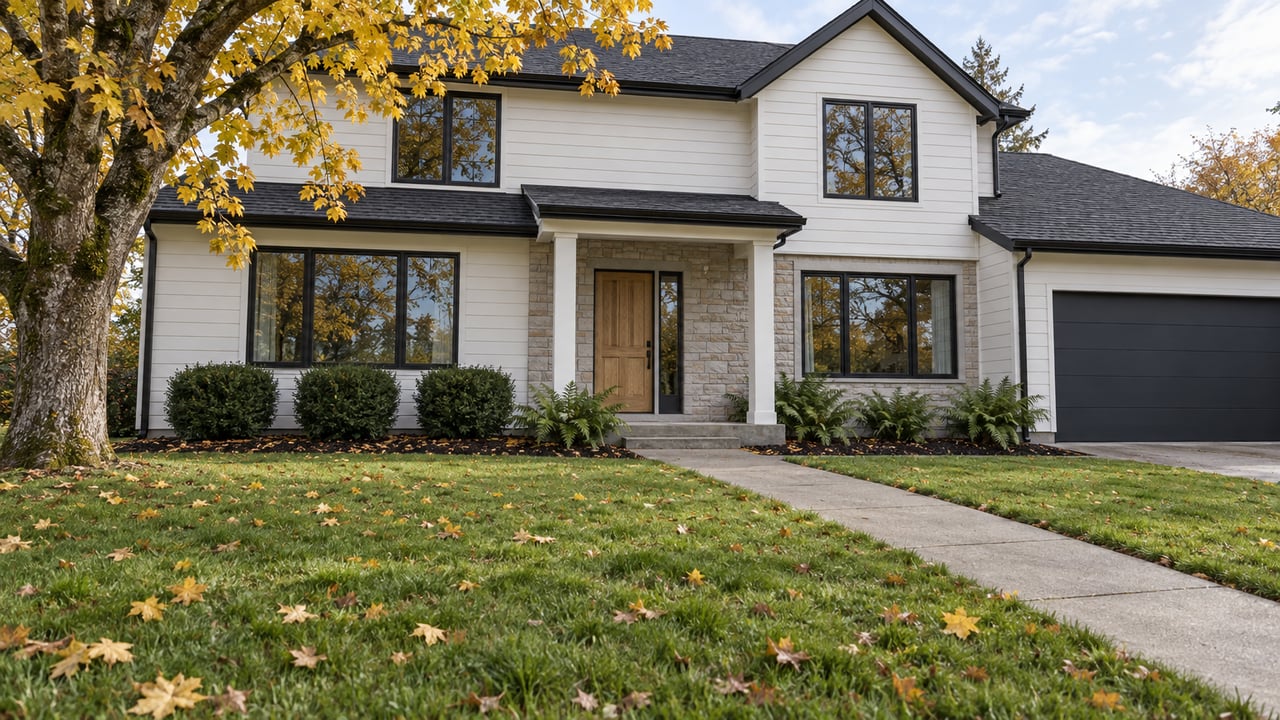
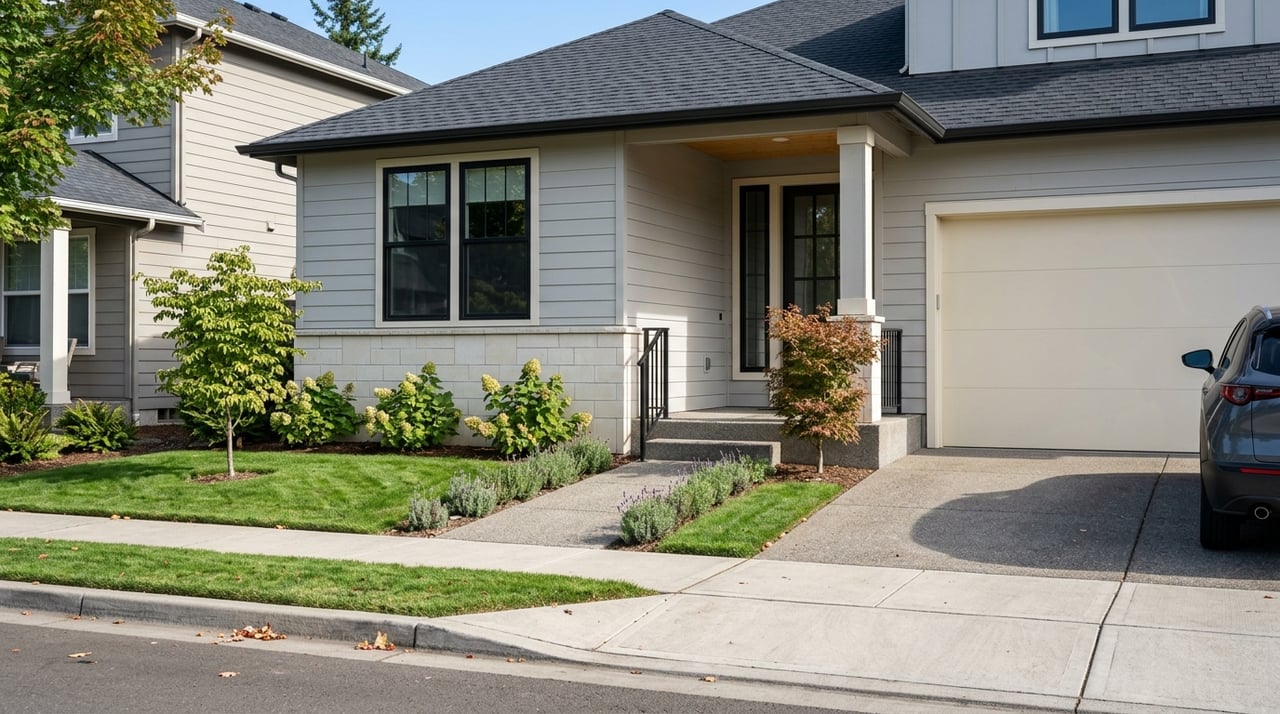
Happy Valley began as a small rural community and was incorporated in 1965, with much of its major development arriving in the mid- to late-1990s. That history still shapes the experience of living here today. In many parts of the city, you will notice a newer, more planned feel than in some older Portland-area suburbs.
That does not mean everything feels uniform or overly built out. In some areas, Happy Valley still carries a suburban-rural transition feel, which can make the city feel a little more open than buyers expect. If you like communities with newer infrastructure and a polished layout, that is a big part of the appeal here.
Neighborhoods often feel intentionally planned
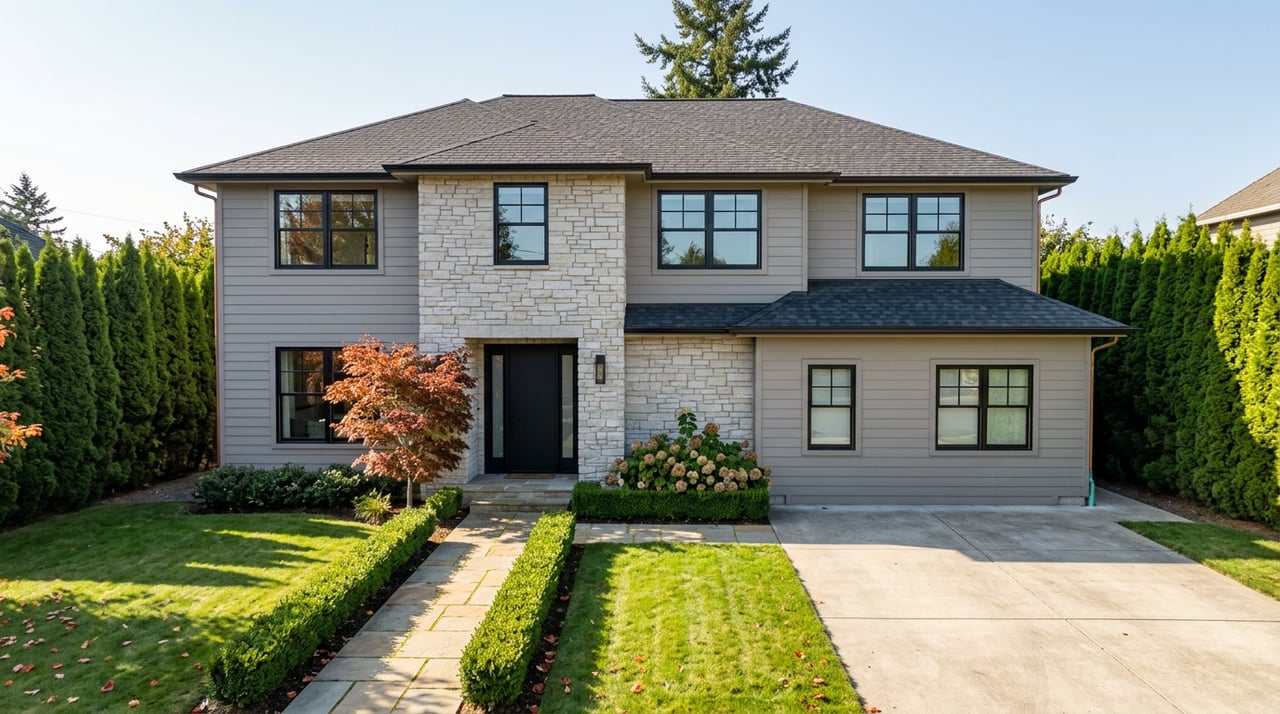
One of the clearest themes in Happy Valley is thoughtful development. The city points to neighborhoods like Taralon, Jackson Hills, and The Reserve as places where developers built roads, trails, parks, and open space as part of the community design. For you as a buyer, that often translates to neighborhoods that feel connected rather than pieced together.
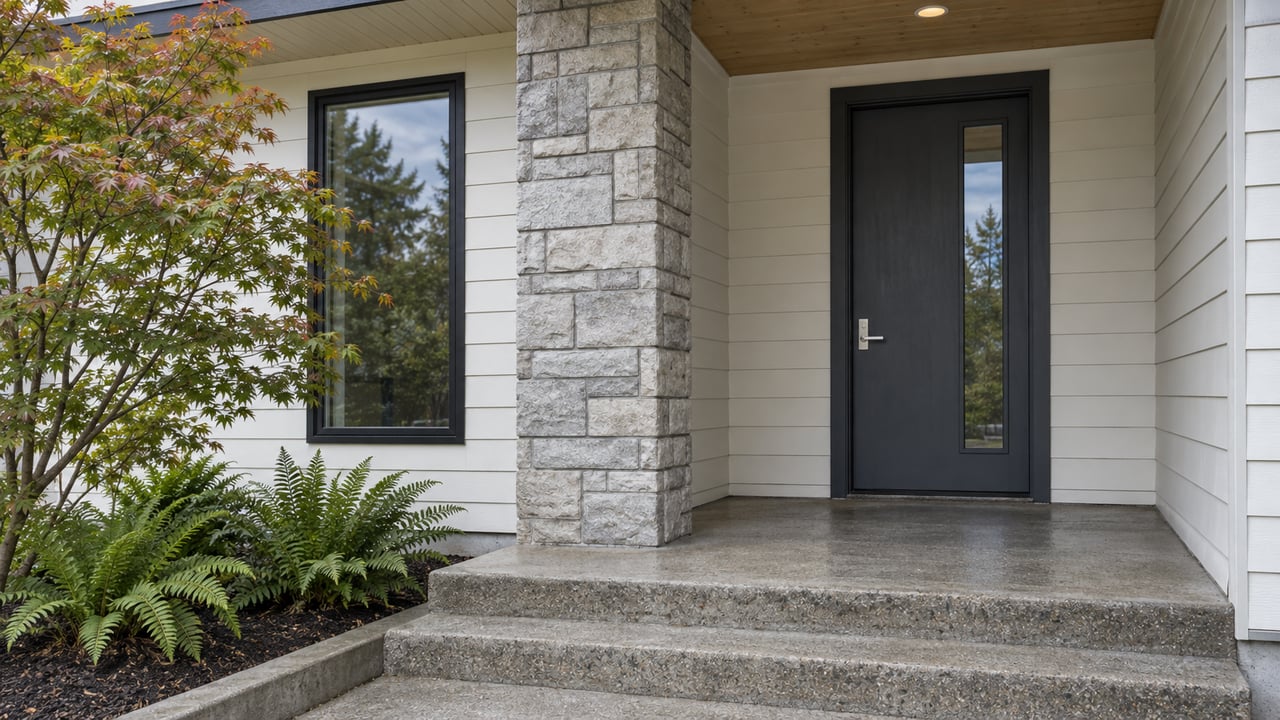
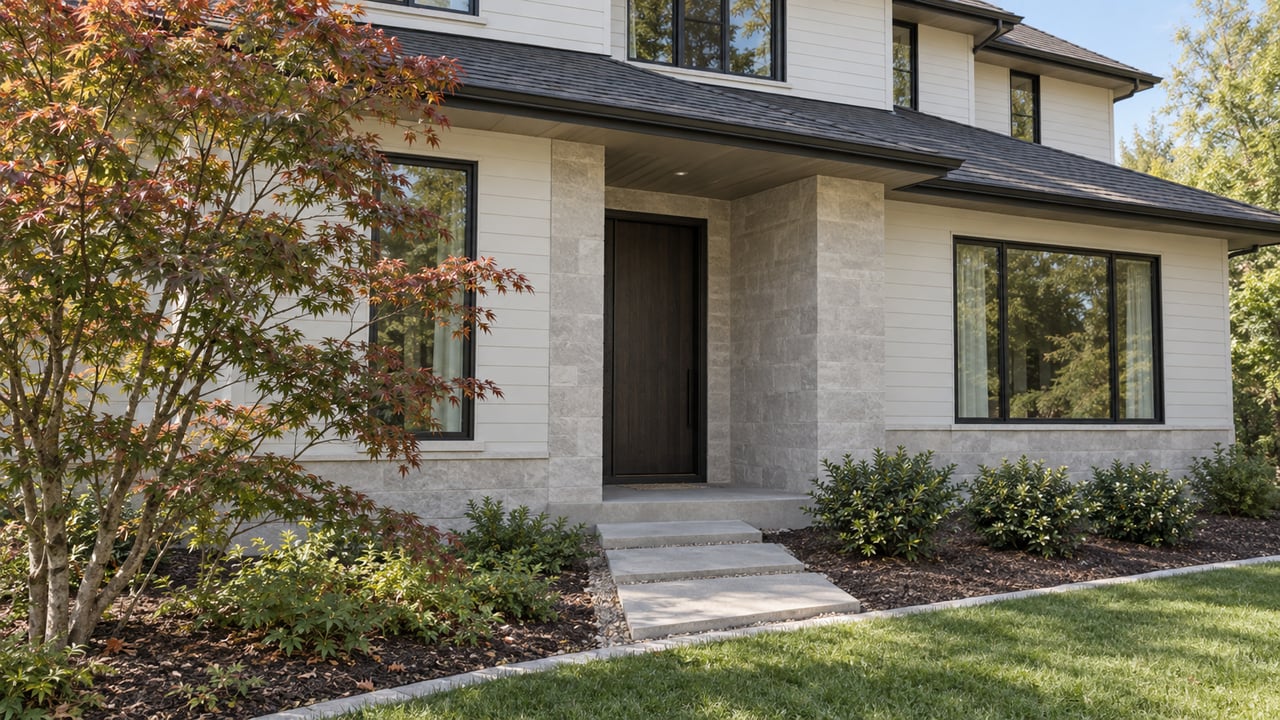
You may also notice a consistent visual character in newer commercial and mixed-use areas. The city refers to a local design approach called the Happy Valley Style, described as a modern Cascadia look influenced by craftsman, prairie, and rustic design cues. In practical terms, it gives parts of the city a cohesive Pacific Northwest appearance.
Main Street is still taking shape
Happy Valley does not have a long-established historic downtown at its center. Instead, the city is actively developing a future Main Street district along Scouters Mountain Road east of 172nd Avenue. The goal is to support growth and community connections while keeping a small-town feel.
That matters because it helps explain how the city functions today. Rather than one traditional downtown square, Happy Valley tends to feel more node-based, with daily errands, dining, and gathering spots spread across key corridors. For some buyers, that feels convenient and modern. For others, it is simply helpful to know what to expect.
Parks are a big part of daily life
If outdoor access matters to you, Happy Valley stands out for its parks and trails. Happy Valley Park is the city’s signature everyday park, and it offers a lot more than open grass. You will find wetlands, a boardwalk, a paved loop, courts, picnic areas, a splash pad, fenced off-leash dog areas, and an All Abilities Park.
This is the kind of park that can easily become part of your weekly routine. It works for a casual walk, time outdoors, or meeting up with friends and neighbors. The city has also launched a TRACK Trail there, which turns a simple walk into a self-guided family outing.
Trails add real lifestyle value
Beyond one major park, Happy Valley has a broader trail network that adds to its everyday livability. The city maintains a citywide trail system, publishes park and trail maps, and even offers local hike maps that begin near places like City Hall, the library, New Seasons, and Grocery Outlet. That gives the community a more connected feel than you might expect from a suburban setting.
Mt. Scott Creek Trail is a good example of that everyday-access outdoor infrastructure. It has multiple access points west of SE 129th Avenue, and recent improvements added asphalt paths, a boardwalk, a bridge, and ADA upgrades. For many residents, these kinds of amenities make it easier to fit fresh air and movement into a normal weekday.
Nature parks offer scenic escapes
If you want something more natural and less neighborhood-based, you have options nearby. Scouters Mountain Nature Park sits above the valley and is known for forested trails and Mount Hood views. Mount Talbert Nature Park offers a four-mile trail network, a picnic shelter, restrooms, and an accessible main entrance.
These spots add variety to life in Happy Valley. You can enjoy a polished community park one day and a more natural trail setting the next. That range is part of what gives the area its amenity-rich feel.
Dog owners should know the trail rules
If you have a dog, there is one practical detail worth knowing early. Happy Valley Park includes designated off-leash areas, which is a clear plus for pet owners. However, Mount Talbert and Scouters Mountain do not allow dogs.
That does not make the area less pet-friendly overall, but it does help to know which outdoor spaces fit your routine. If dog access is high on your list, those details can shape how you use local parks and trails day to day.
Shopping is convenient and corridor-based
Happy Valley is strong on convenience, but not in the traditional downtown sense. Clackamas Town Center is the main regional retail anchor in the area, with stores, restaurants, and a 20-screen movie theater. For many residents, it serves as the go-to destination for shopping, dining, and entertainment.
Daily convenience is also concentrated along Sunnyside Road and other arterial corridors. That means errands are generally practical and easy to string together by car. If you are used to a walkable historic business district, this layout may feel different, but many buyers appreciate how functional it is.
Dining has an easygoing local side
For a more casual social option, Happy Valley Station adds personality to the local dining scene. It is described as an upscale food cart pod with more than 15 vendors, along with taproom offerings. That makes it a flexible place for meeting friends, grabbing a quick meal, or trying something new without much planning.
This kind of gathering spot fits the broader rhythm of Happy Valley. The city’s social life tends to show up in well-designed hubs, parks, and event spaces rather than around one old downtown core. For many people, that creates an easy, modern suburban lifestyle.
Commuting is mostly car-first
For work and regional access, Happy Valley is closely tied to the road network. The city says I-205 is the nearest major highway, and Happy Valley is less than 15 miles southeast of downtown Portland and about 12 miles from Portland International Airport. Key local travel corridors include Sunnyside Road, 172nd Avenue, and Highway 212/224.
In simple terms, living here is mostly a car-first experience. That is common for suburban communities, and it shapes everything from errands to school drop-offs to weekend plans. If you are moving from a denser neighborhood, this is one of the bigger lifestyle shifts to keep in mind.
Transit is available without being central
Even though most people will rely heavily on a car, Happy Valley is not cut off from transit. Riders usually connect through Clackamas Town Center Transit Center, which links to the MAX Green Line. TriMet routes 155-Sunnyside, 156-Mather Rd, and 157-Happy Valley all serve the broader Happy Valley and Clackamas Town Center corridor.
That creates a useful middle ground. Transit may not be the center of daily life for most households here, but it is part of the transportation picture. For some buyers, that extra flexibility is a meaningful benefit.
Community events help create connection
A lot of suburban cities have parks, but not all of them activate those spaces well. Happy Valley puts real energy into community programming, with events such as Concerts in the Valley, Camp Canine, Dumpster Day, Oktoberfest, the Tree Lighting Ceremony, and Light Up the Valley. The city also supports concerts and public gatherings through park and event staffing.
That means parks here are not just passive green spaces. They also function as social spaces where residents can show up, participate, and feel part of the community. If you value a place that makes it easy to plug in locally, that is a meaningful part of the lifestyle.
So, what is living in Happy Valley really like?
For many buyers, Happy Valley feels polished, practical, and outdoorsy in a very livable way. You get newer and often more intentionally planned neighborhoods, strong access to parks and trails, convenient shopping and dining hubs, and solid regional connections through I-205 and Clackamas Town Center. The city also feels actively shaped by planning and public gathering spaces, which gives it an organized and community-minded identity.
If you are considering a move here, the key question is less about whether Happy Valley has amenities and more about whether its style of suburbia fits your routine. If you want a place with newer development patterns, everyday outdoor access, and convenient regional reach, Happy Valley has a lot to offer. If you want help figuring out which part of Happy Valley best fits your goals, Peak Realty can help you navigate the area with clear, local insight.
FAQs
What is the overall feel of living in Happy Valley, Oregon?
- Happy Valley generally feels like a newer, amenity-rich suburb with planned neighborhoods, strong park access, and everyday convenience centered around key corridors rather than a historic downtown.
What are parks and trails like in Happy Valley?
- Happy Valley offers a strong mix of outdoor spaces, including Happy Valley Park, Mt. Scott Creek Trail, Scouters Mountain Nature Park, and Mount Talbert Nature Park, plus a broader citywide trail system.
What is shopping and dining like in Happy Valley?
- Shopping and dining are concentrated around places like Clackamas Town Center, Sunnyside Road, and Happy Valley Station, so the area feels convenient and hub-based rather than centered on a traditional downtown.
What is the commute like from Happy Valley to Portland?
- The commute is mostly car-first, with I-205, Sunnyside Road, 172nd Avenue, and Highway 212/224 playing major roles, while transit connections are available through Clackamas Town Center Transit Center and the MAX Green Line.
Is Happy Valley good for an active lifestyle?
- Happy Valley can be a strong fit if you enjoy regular access to parks, paved walking paths, nature trails, and community events that make outdoor spaces part of daily life.
Are there dog-friendly parks in Happy Valley?
- Yes, Happy Valley Park has designated off-leash dog areas, but dog access is not allowed at Mount Talbert Nature Park or Scouters Mountain Nature Park.