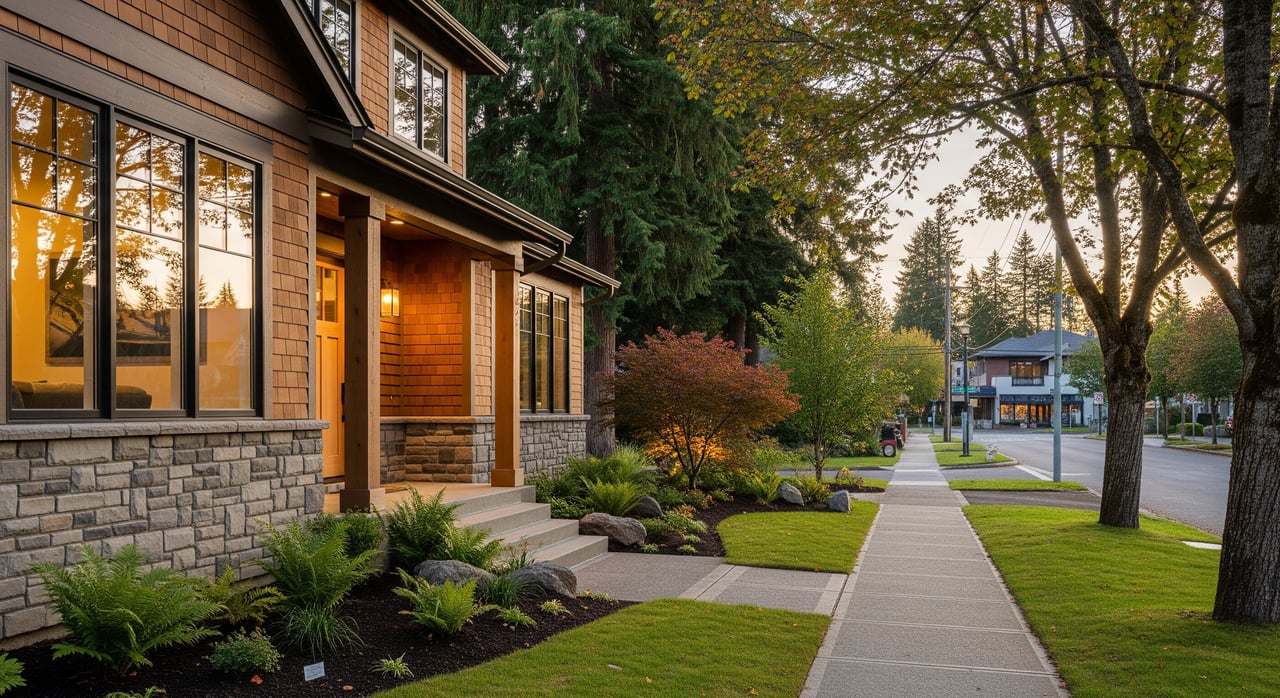
Trying to choose between Beaverton and Tigard? You are not alone. Both sit just outside Portland and offer strong value, but the day-to-day feel can be different. In this guide, you will learn how each city stacks up for housing, commute, schools, parks, and lifestyle so you can decide with confidence. Let’s dive in.
Quick decision guide
If you want transit access, a mix of condos and townhomes, and a more walkable core, you may lean toward Beaverton. If you prefer larger yards, easy retail access, and a classic suburban feel, Tigard could be a fit. Both give you short hops into Portland, and both offer strong park networks and community amenities.
Housing and neighborhoods
What you will find in Beaverton
Beaverton offers a wider mix of housing types, including many condos and townhomes near transit and downtown nodes like The Round. You will also find established mid-century neighborhoods and newer infill sprinkled throughout. This diversity can help you match budget and lifestyle, especially if you value walkability near transit.
What you will find in Tigard
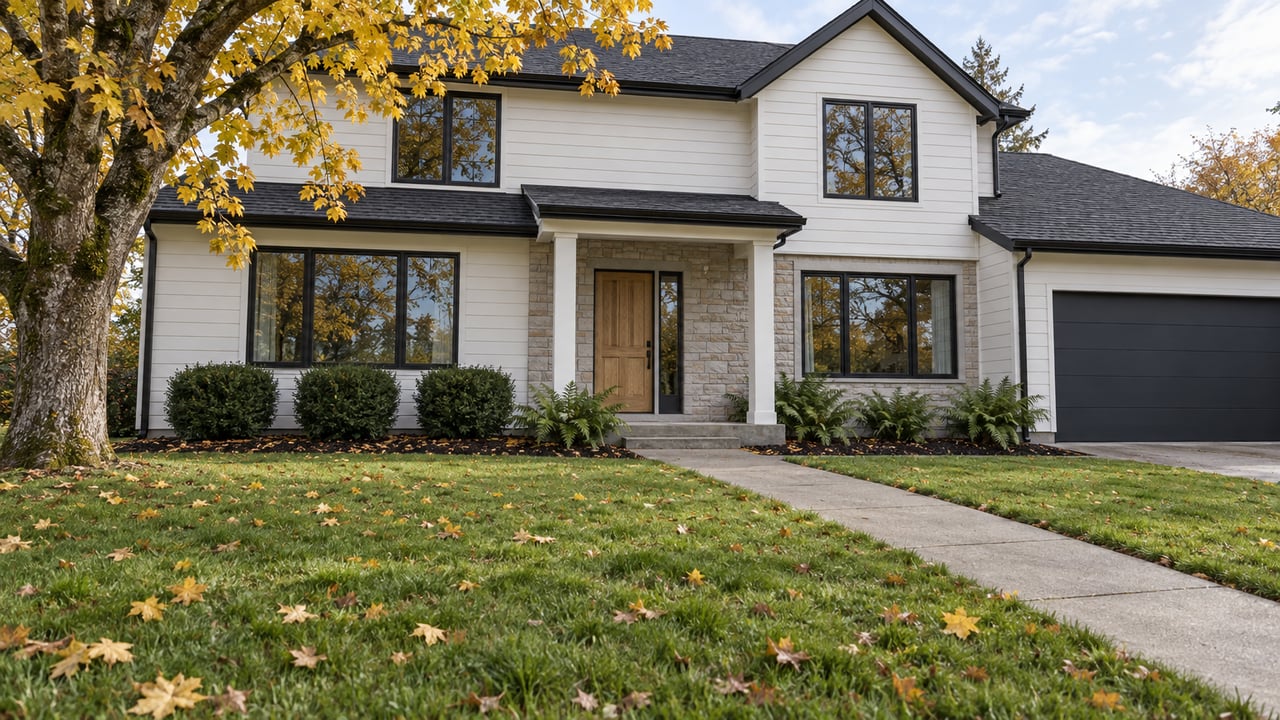
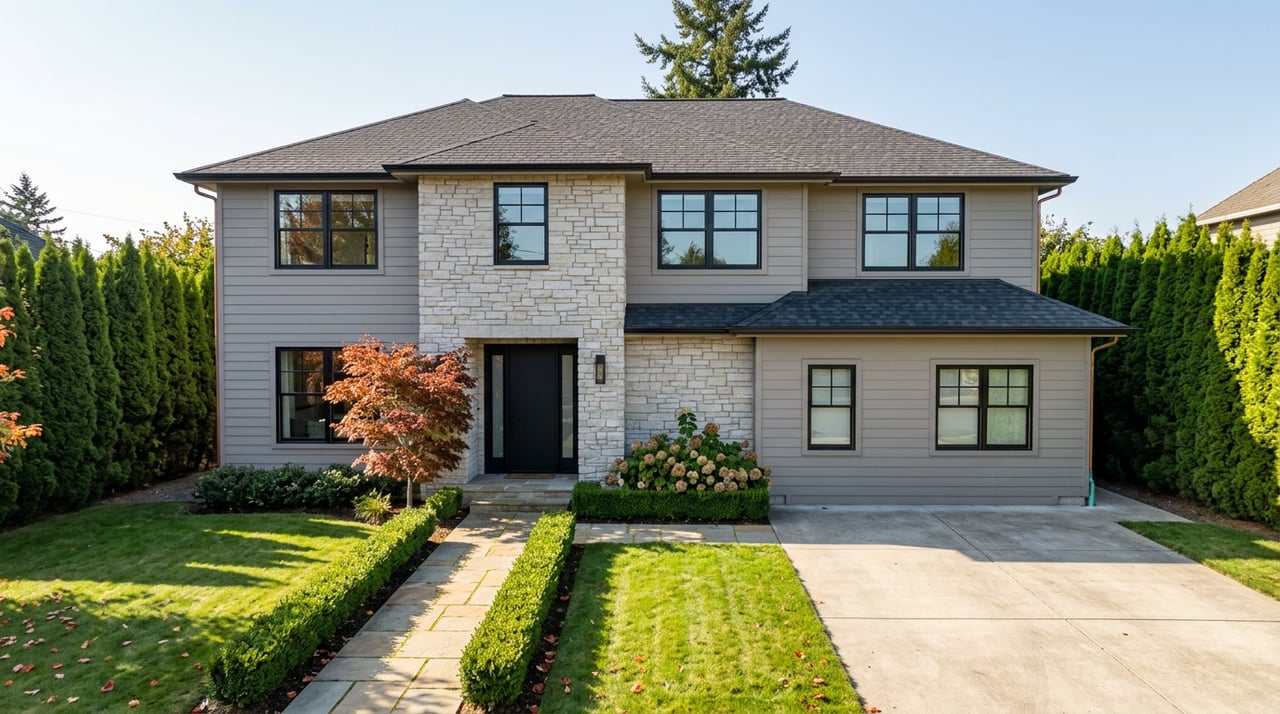
Tigard trends more suburban in layout, with a larger share of single-family homes and subdivisions close to major retail corridors. Many neighborhoods sit near shopping centers, making errands simple. You will also find established areas close to parks and trails, especially along greenway corridors.
New construction and infill
Both cities see steady infill and townhome projects, with density encouraged near transit and commercial centers. If you want a newer build, you will find options in either city, but inventory and timelines vary by neighborhood plan and approvals. Ask about upcoming projects that could add supply near your target area.
Renting or buying
Both cities offer a mix of rentals, from apartments near transit to single-family homes. If you are deciding whether to rent first or buy, compare your monthly budget, desired neighborhood, and timing. Rental and sale inventory can shift seasonally, so monitor listings and be ready to act when the right fit appears.
Commute and transit
Transit access
Beaverton has multiple MAX Light Rail Blue Line stations and extensive TriMet bus coverage. Tigard is served by TriMet buses and the WES Commuter Rail, which connects Tigard to Beaverton and nearby suburbs. If you plan to rely on transit, proximity to a MAX station in Beaverton or to the Tigard Transit Center can be a deciding factor.
Driving corridors
US‑26 runs through Beaverton and connects to downtown Portland and the westside tech corridor. OR‑217 links both cities and connects to I‑5 near Tigard; OR‑99W is also accessible from Tigard. Peak-hour traffic can vary, so test your commute at the times you would normally travel.
Biking and walkability
Beaverton’s downtown and mixed-use nodes support more pedestrian activity and bike access in parts of the city. Tigard has walkable pockets in Old Town and near the Tigard Transit Center, while many areas lean car-friendly. If walkability matters, focus your search near each city’s transit hubs and historic cores.
Schools and boundaries
Most of Beaverton is served by the Beaverton School District, while most of Tigard is served by the Tigard-Tualatin School District. Some nearby areas fall into other districts, so always verify by address. Each district offers neighborhood schools and program options, and school boundaries can influence home demand.
How to verify your school zone
- Confirm the exact district and attendance area by the specific property address.
- Review school and program offerings directly with the district.
- Compare graduation rates and programs using official state report cards.
Use neutral, factual sources, and remember that city-wide averages can differ from school to school.
Parks, retail, and weekend life
Beaverton highlights
You will find a popular farmers market, mixed-use centers like The Round, and extensive park and recreation facilities. The Tualatin Hills Park & Recreation District operates large parks and nature areas, including Tualatin Hills Nature Park. Dining is spread across neighborhood centers, with many local favorites in walkable pockets.
Tigard highlights
Tigard shines as a retail hub, anchored by major shopping destinations and restaurant clusters. Old Town Tigard offers a historic core with community events. Outdoor time is easy at large parks such as Cook Park and along greenway trails that connect to the Tualatin River and Fanno Creek corridors.
Public safety and community services
Both cities have municipal police departments and access to regional emergency services. Crime patterns can vary by neighborhood, so review official police resources for address-level details. Community services are strong, including public libraries, senior programs, and local community centers.
Taxes, utilities, and cost basics
Oregon has no sales tax and a state personal income tax. Property taxes are assessed in Washington County and vary by taxing district and levies. Utility costs and service providers can differ by neighborhood, so ask for recent examples for the homes you are considering.
Environmental checks
Floodplains exist along streams such as Fanno Creek and other tributaries in both cities. Slope and soil conditions can matter in hilly areas, and homes near major highways may experience higher noise levels. Include radon testing and, when appropriate, floodplain and hazard checks in your inspection process.
Pros and cons at a glance
Beaverton may fit you if:
- You want MAX light rail access and dense transit nodes.
- You prefer more condos and townhomes in walkable areas.
- You like a mix of older neighborhoods and new infill.
Tigard may fit you if:
- You want single-family neighborhoods with larger yards.
- You value quick access to large retail centers and dining corridors.
- You prefer a classic suburban layout with pockets of walkability.
How to choose: a simple plan
- Map your commute at your real travel times by car and transit.
- Identify your top three neighborhoods in each city based on lifestyle.
- Verify school boundaries and programs by property address.
- Walk the area during day, evening, and weekends to gauge activity.
- Review environmental factors such as floodplain and slope.
- Compare typical utilities, HOA dues, and property taxes for sample homes.
- Decide on must-haves vs nice-to-haves, then act quickly when a match appears.
Work with a local guide
Choosing between Beaverton and Tigard comes down to how you live day to day. A local advisor can help you balance commute, schools, parks, and budget, then target the right streets to save you time. If you are selling, the right pricing and presentation will capture buyers moving between these two cities.
Ready to compare homes side by side and refine your plan? Reach out to Peak Realty for neighborhood-specific insights and a clear path to your next move.
FAQs
What should I compare first when choosing Beaverton vs Tigard?
- Start with commute needs, school boundaries by address, and your preferred housing type, then layer in parks, retail access, and budget.
How do commutes differ between Beaverton and Tigard?
- Beaverton has multiple MAX Blue Line stations; Tigard has TriMet buses and WES connecting to Beaverton. Driving relies on US‑26, OR‑217, I‑5, and OR‑99W.
Are schools stronger in one city than the other?
- It depends on the specific address and school. Verify the assigned schools and review official district and state report cards before deciding.
Where will I find more condos and townhomes?
- Beaverton generally has more condos and townhomes near transit and mixed-use areas, including around The Round and downtown nodes.
Which city offers larger yards and a suburban feel?
- Tigard tends to have more single-family neighborhoods with larger lots and convenient access to major retail corridors.
Are property taxes the same in both cities?
- Both are in Washington County, but tax rates vary by local taxing district and levies. Review the specific property’s tax record for accuracy.
What environmental risks should I check before buying?
- Confirm whether a property is in a floodplain, consider radon testing, and review slope or noise exposure based on the home’s location.