Condo or house in Portland? If you are weighing easy, walkable living against a yard and more privacy, you are not alone. Portland offers strong options on both sides, from Pearl District towers to tree‑lined streets in SE and the Eastside. In this guide, you will learn how costs, daily care, and resale play out for each option so you can choose with confidence. Let’s dive in.
Portland snapshot: who each option fits
Choosing a condo often appeals if you want less exterior maintenance, strong walkability, or elevator access. Think Pearl District, NW Portland, and close‑in Eastside spots near transit and retail. Downsizers, single professionals, and first‑time buyers often like the simplicity and location perks.
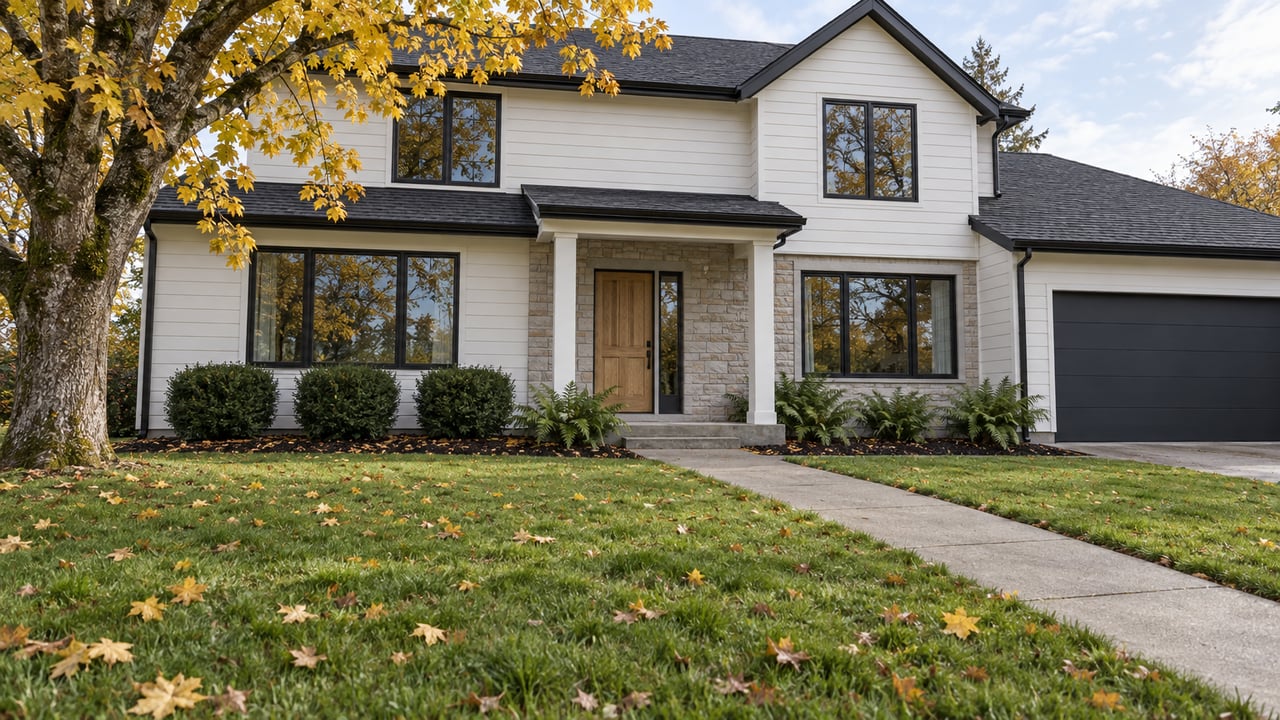
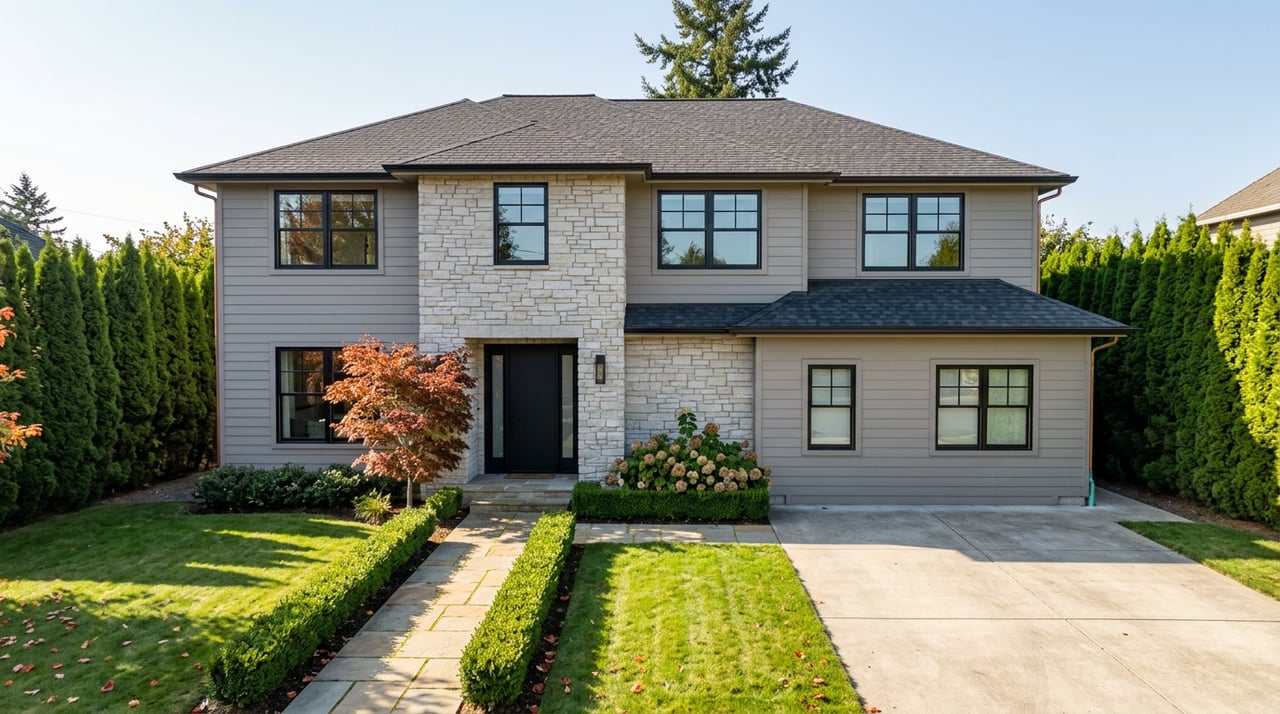
A detached house tends to fit buyers who want more space, a private yard, or flexibility for projects and ADUs. Families and long‑term planners often prioritize inner neighborhoods and the Eastside, where lot value and control over updates can matter more over time.
What it costs to buy and own
Upfront costs
- Purchase price: In the same neighborhood, condos often have a lower total price than detached homes. Compare price per square foot and the value of the land for a full picture.
- Closing costs: Title, escrow, and lender fees apply to both. Condo sellers and single‑family sellers may see different commission expectations in some micro‑markets. Lean on current local comps to set expectations.
Monthly and ongoing costs
- Property taxes: Multnomah County taxes both condos and houses based on assessed value. When you buy, the county assessor sets the assessed value under Oregon rules.
- Insurance: A house usually needs full dwelling coverage, which can mean higher premiums. Condo owners typically carry an HO‑6 policy that covers interior finishes and personal property, while the HOA insures common structures. Always check the master policy and unit responsibilities in the association documents.
- HOA fees: Most condos have monthly dues that cover common area maintenance, building insurance, reserves, and management. Fees vary by building and amenities. Review the budget to see what utilities are included and how reserves are funded.
- Utilities: Single‑family owners usually pay all utilities directly. Condos may include some utilities in the dues, such as water or trash. Verify what is included.
- Maintenance: With a house, you cover all interior and exterior upkeep. A common rule of thumb is to set aside 1 to 3 percent of the home’s value each year for maintenance. In a condo, the HOA handles most exterior items, and you handle interior needs. You have less time commitment, yet you also have less control over building‑wide projects and timing.
- Repairs and reserves: For condos, review the reserve study and current reserve balance to gauge the risk of special assessments. For houses, plan for larger one‑off items like roof replacement, major systems, and any seismic work.
Lending and approvals
- Condo financing: Lenders may require building‑level reviews, including owner‑occupancy ratios, reserve levels, and litigation status. FHA and VA loans often require project approval, which can affect your loan options and interest rates.
- Single‑family financing: Underwriting focuses on the property condition and your credit, with fewer project‑level hurdles.
Portland‑specific considerations
- Local fees: Budget for stormwater, sewer, and garbage rates. These vary by property and usage.
- ADU potential: Many Portland houses can support an ADU, which can add flexibility or income but also involves permitting, build costs, and property management. Check city rules and permitting pathways before you factor potential rent into your budget.
Care, management, and lifestyle
Owning a house: control and time
You handle everything from the roof and siding to fences, landscaping, and driveways. Plan for seasonal tasks like gutter cleaning and yard care. Older Portland homes may need electrical, plumbing, or insulation upgrades over time.
Owning a condo: convenience with rules
The HOA usually manages exterior maintenance, building insurance, landscaping, elevators, and amenities. You focus on interior upkeep and any limited elements assigned to your unit, such as a balcony. Building rules can limit flooring changes, renovations that affect common systems, pets, or rentals, so read the documents closely.
Governance and decision making
Condo owners follow CC&Rs, bylaws, and house rules. Dues increases, special assessments, and large projects are decided by the association through established processes. Review meeting minutes and any litigation disclosures to understand how the community functions.
Accessibility and aging in place
Condos often provide elevator access and level entries, which can help with mobility needs. Houses give you room to add ramps or reconfigure spaces, and some lots can support an ADU for multi‑generational living.
Insurance and liability
An HO‑6 condo policy typically covers interior finishes, personal property, and liability. The master policy can be “bare walls” or “all‑in,” which changes what you insure yourself. Confirm this in the certificate of insurance and the association documents.
Resale and long‑term value in Portland
Liquidity and buyer pools
Houses usually draw a broader buyer pool, including families, investors, and long‑term owner‑occupants. Condos attract a focused group seeking location efficiency and lower personal maintenance. In walkable urban areas, well‑run condo buildings can sell quickly. If there is oversupply or building‑specific concerns, condo days on market can lengthen.
Appreciation and volatility
Single‑family homes often appreciate steadily because of land value and lot scarcity. Condos can appreciate in high‑demand urban locations, yet values may be more sensitive to supply cycles, building condition, and lifestyle shifts. Monitor local market reports to see how each segment is trending.
What drives resale value
- Location and access: Transit, proximity to employers, parks, and walkable retail all support demand.
- Condition and upgrades: Kitchens, baths, system updates, energy efficiency, and seismic improvements matter to buyers.
- Association health for condos: Strong reserves, recent capital improvements, and professional management support value and financing.
- Financing availability: If lenders restrict condo loans due to reserves or investor ratios, the buyer pool can shrink and resale can slow.
Seller strategies
- Condo sellers: Highlight HOA financial health, recent building work, reserves, and exactly what dues include. Make it easy for buyers and lenders to see a low risk of special assessments.
- House sellers: Showcase outdoor living spaces, ADU potential, and a clear maintenance history with permits and receipts.
How to choose: a quick decision checklist
- Your daily life: Do you want to trade yard time for walkability and amenities, or is a private outdoor space a must?
- Budget fit: Compare total monthly costs, including HOA dues, insurance, taxes, utilities, and realistic maintenance.
- Flexibility: How important are renovation freedom, pet policies, or rental options to your plan?
- Time and effort: Would you rather schedule landscapers and roofers, or attend HOA meetings and follow building rules?
- Exit plan: Consider the buyer pool you will likely sell to in the future and how financing may affect that pool.
Neighborhood lenses
- Urban core and NW: Condos cluster around Pearl District, the Streetcar corridor, and NW Portland. Expect strong walkability and transit access.
- Eastside and SE: Detached homes dominate, with yards and room for projects. Many areas are near parks and bike routes.
- Mixed pockets: Some close‑in east neighborhoods blend small condo buildings with single‑family blocks, which can give you options to compare within a few blocks.
Due diligence in Portland
For condo buyers
- Review CC&Rs, bylaws, rules, meeting minutes for 12 to 24 months, the latest budget, reserve study, balance sheet, and certificate of insurance.
- Check owner‑occupancy ratios, rental policies, dues collection rates, and any pending or recent special assessments.
- Confirm recent or upcoming capital projects, such as roof, facade, plumbing stacks, elevator work, and any seismic upgrades.
- Order a thorough home inspection and consider additional evaluations for older structures when needed.
For house buyers
- Get a full home inspection that covers roof, foundation, drainage, HVAC, plumbing, electrical, and pests.
- Evaluate site‑specific items like trees near the structure, sump pumps and drainage, and whether the lot is in a flood or landslide area.
- Verify permits for past additions, conversions, or ADUs through city records.
- For older homes, plan for radon testing and check for lead or asbestos in building materials.
For sellers of both types
- Prepare accurate disclosure documents with repair histories and known issues.
- Condo sellers: Compile an HOA packet and be ready to answer common financing eligibility questions.
- House sellers: Organize permits, maintenance logs, and consider a pre‑listing inspection to remove surprises.
Financing and appraisal notes
- FHA and VA buyers: Verify whether a condo project is eligible before you go under contract.
- Appraisals: Condo appraisals rely on building and nearby comps. Limited comparables can impact appraised value either way. Houses lean on broader neighborhood comps and lot value.
Work with a local guide you trust
Portland’s condo and single‑family markets move differently, and the best choice depends on your lifestyle, budget, and exit plan. If you want clear numbers, building documents decoded, and a neighborhood‑by‑neighborhood comparison, our team can help you weigh the tradeoffs and time your move. Ready to compare options or get a clear sale strategy? Reach out to Peak Realty for local guidance and a data‑backed plan.
FAQs
What is usually cheaper in Portland, a condo or a house?
- Condos often have lower purchase prices in the same neighborhood, but compare total monthly costs that include HOA dues, insurance, taxes, and utilities.
Are condos in Portland harder to finance than houses?
- Lenders may require condo project reviews and approvals, and FHA or VA loans often need building approval, which can limit loan options.
What do Portland HOA fees typically cover in condos?
- Common area maintenance, building insurance, reserves, management, and sometimes utilities like water or trash, as listed in the HOA budget.
Can I rent out my Portland condo unit?
- It depends on the association’s governing documents, which may set rental caps or minimum lease terms, so check the CC&Rs and rules.
Do houses come with hidden ongoing costs?
- Yes, plan for landscaping, exterior maintenance, higher utility usage, and eventual big‑ticket items like roofs and major systems.
Which tends to appreciate more in Portland, condos or houses?
- Houses often show steadier long‑term gains due to land value, while condos can perform well in walkable urban areas but may be more sensitive to supply.
What condo documents should I review before buying?
- CC&Rs, bylaws, rules, recent meeting minutes, current budget, reserve study, balance sheet, insurance certificate, dues history, and any litigation disclosures.