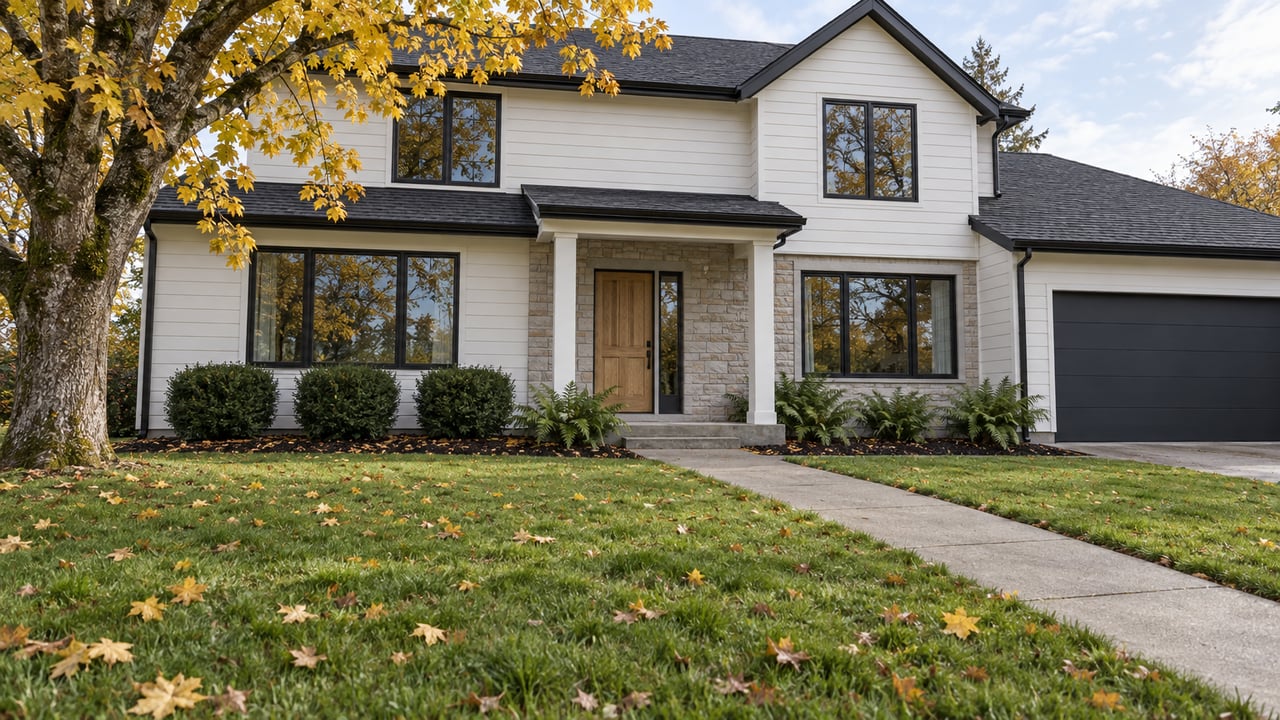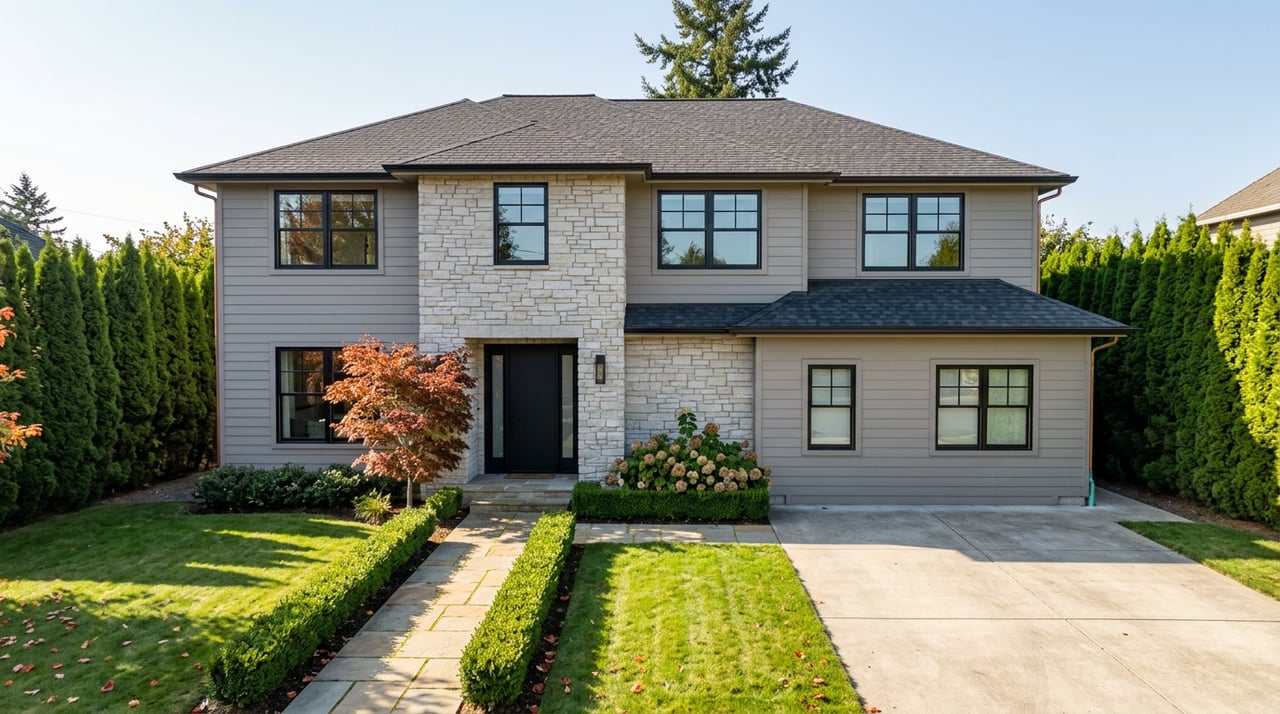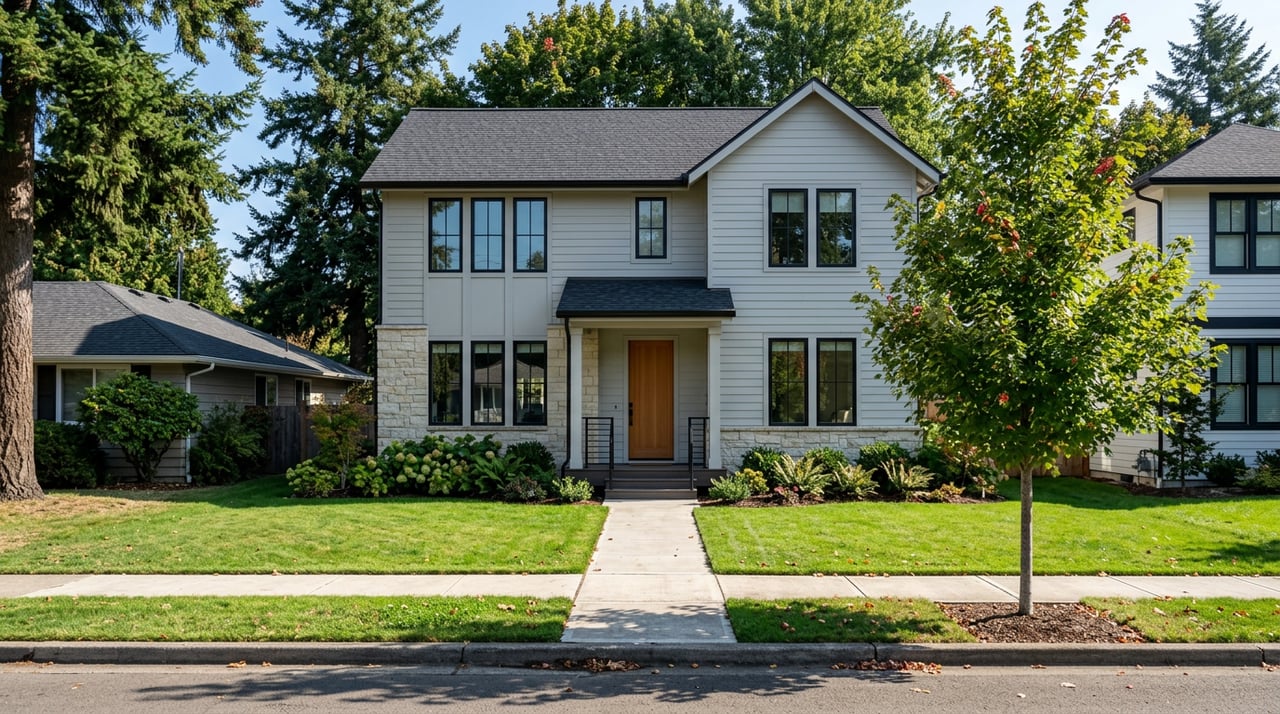
Moving to Portland with kids can feel like spinning plates. You want the right school fit, a doable commute, nearby parks, and a home that matches your budget and lifestyle. You are not alone if you are sorting through neighborhoods from afar and trying to make sense of price ranges and district maps. This guide gives you a focused shortlist of family-friendly areas in and around Portland, plus a simple process to narrow your options confidently. Let’s dive in.
How to frame your Portland search
Before you fall in love with a block, lock in your priorities. A few clear filters will save you time and stress.
- Schools and programs. Start with Oregon’s school profiles. The Oregon Department of Education’s Online Report Card lets you review district and school data, then confirm address-specific assignment when you have a property in mind. Use it alongside national summaries for added context. You can begin with the ODE tool on the Oregon Online Report Card.
- Commute and transit. Portland’s mean one-way commute hovers in the mid 20 minutes across much of the metro, with county-level averages varying. If you plan to use light rail, check TriMet MAX lines and schedules to see how your target neighborhood connects to work and childcare.
- Parks and everyday outdoors. Many families choose neighborhoods based on proximity to a favorite park or trail. Portland’s park system is a major draw, with destinations like Forest Park, Laurelhurst Park, and Mt. Tabor offering playgrounds, trails, and wide-open space.
- Budget and home type. Median sale prices vary by month and by provider. Citywide snapshots often land in the mid-to-high 400 to 600 thousand range, while close-in historic neighborhoods and top-demand suburbs can trade much higher. Expect differences between neighborhood medians and city averages.
Portland anchors a metro of about 2.5 million people, which means you will find strong options both inside the city and in close-in suburbs. Start with a tight shortlist, then verify details at the address level.
Inner Portland picks
These neighborhoods work well if you want shorter commutes, walkable schools, and a classic Portland feel. Housing stock tends to be older, with many renovated homes. Prices in these pockets commonly sit above the city median.
Irvington (NE Portland)
If you value historic homes, tree-lined streets, and a strong neighborhood identity, Irvington is worth a look. Portland Public Schools serves the area, and parents often cite nearby elementary pockets and the Grant High School track, but always confirm assignment through the Oregon Online Report Card and district tools. Irving Park and adjacent green spaces offer playground time and weekend walks. Commutes to downtown are typically short by car, and bus lines cover most of the neighborhood.
Laurelhurst (SE Portland)
Laurelhurst delivers the textbook family vibe, anchored by the centerpiece park with a pond, big lawns, and play areas. You can browse park details on the Laurelhurst Park page from Portland Parks & Recreation. Laurelhurst is served by Portland Public Schools, and families often appreciate the neighborhood’s K–8 option, though you should verify your exact address against the ODE and district records. Homes range from bungalows to larger period styles, and many sit above the city’s median price. Commutes are convenient by car or bike, with frequent bus service nearby.
Ladd’s Addition (SE Portland)
Ladd’s Addition is a compact, highly walkable historic district with a distinctive diagonal street plan and rose gardens. Families like the quieter streets and proximity to small parks and playgrounds. School assignments vary by block, so plan to check the ODE and district locators for each address. Inventory is limited due to the neighborhood’s size, and homes often draw strong interest.
Mt. Tabor, Richmond, and SE Belmont
If a large public park tops your list, this cluster around Mt. Tabor Park offers trails, playgrounds, and open views. Explore park amenities on the Mt. Tabor Park page from Portland Parks & Recreation. You will find a mix of historic and mid-century homes plus some modern infill. Commutes to downtown are straightforward by car, bike, or bus, and families value the quick access to Division, Hawthorne, and Belmont for errands and dining.
Sellwood-Moreland and Westmoreland (SE Portland)
These sister neighborhoods feel like a small town within the city. The Springwater Corridor connects you to miles of bike and walking trails, and riverfront parks sit right on the Willamette. You can review amenities at Sellwood Riverfront Park through Portland Parks & Recreation. Housing includes older single-family homes and some newer infill and townhomes. Commutes vary by time of day, and many parents appreciate the predictable routes and family-friendly commercial streets.
Beaumont-Wilshire and Alameda (NE Portland)
Families who want a quiet, residential feel near urban amenities often land in this corridor. You will find historic-era homes, sidewalks, and local shops along Fremont. School and park access are key strengths, but verify specific school assignment for any address through ODE or the district locator. Pricing in this area often trends above the city median, reflecting steady demand.
Close-in suburbs to consider
If you want larger yards, newer homes, and district-level school consistency, these nearby suburbs are popular with families. Commutes by car are common, and MAX covers the Westside more than the Southside.
Lake Oswego
Lake Oswego is a top suburban choice for families who prioritize public school performance, abundant parks, and village-style centers. The Lake Oswego School District is consistently rated near the top in Oregon, as summarized on the Niche Lake Oswego School District profile. Expect higher home values and limited inventory, which reflects ongoing demand. Drive times to central Portland often range from about 15 to 30 minutes depending on where you live and traffic.
Beaverton
Beaverton offers a wide range of housing, from established neighborhoods to newer subdivisions and townhomes. The district is one of the largest in Oregon with a variety of programs; outcomes vary by attendance area, so confirm school data with ODE and district tools. If you work on the Westside, MAX lines and bus routes create practical transit options. Pricing spans a broad band, with some pockets below inner-Portland costs and others trading at a premium.
Tigard
Tigard is a solid fit if you want space, newer subdivisions, and suburban convenience near Portland’s southwest side. Schools are primarily within the Tigard-Tualatin School District, and performance differs by school, so check ODE and district sources when you narrow to a home. Car commutes into central Portland tend to sit around 25 to 35 minutes depending on traffic. Pricing signals commonly land in the mid 500 to 600 thousands, depending on the zip and provider snapshot.
Happy Valley
Happy Valley has grown quickly with newer subdivisions, larger homes, and family amenities. Most addresses fall within North Clackamas School District; you can confirm exact boundaries with the district’s online boundary map. Median price signals often land in the 650 to 750 thousand range, though month-to-month data varies by provider. Commutes can be longer than core-city averages, so test your AM and PM routes during peak windows.
What daily life looks like here
A typical Portland-area commute averages in the mid 20 minutes, though your experience depends on county and corridor. You can review county-level commute statistics for Multnomah County on Census Reporter to set baseline expectations. Families who choose inner neighborhoods often trade a smaller yard for walkability and short drives. Suburban buyers usually gain more space and district-level consistency while adding commute time.
On weekends, you will have easy access to neighborhood parks, city playgrounds, and regional trails. If transit is part of your plan, review TriMet MAX connections early so you can weigh a train ride against school drop-off timing.
A practical remote-search plan
Use this checklist if you are narrowing from out of state.
- Define non-negotiables. Set a school-performance threshold, a max one-way commute, your preferred housing type, and a budget range. Start with the ODE Online Report Card for data and align on your must-haves.
- Confirm schools by address. Once you like a property, use district or ODE tools to verify the assigned elementary, middle, and high schools. Avoid relying on neighborhood names alone.
- Compare price signals with multiple sources. Neighborhood medians can differ from city averages and across data providers. Track recent 3-month sold medians alongside active listing medians to see both history and what sellers expect now.
- Test your commute. Run your exact addresses through mapping apps at peak AM and PM times, and compare against TriMet schedules if light rail or bus service could replace a second car trip.
- Map parks and walking routes. Pull up Portland Parks & Recreation pages and neighborhood maps to confirm the distance to playgrounds, greenways, and safe walking routes to school.
- Review local safety data. Use the Portland Police Bureau open-data maps and neighborhood association updates to understand recent incident trends near any address you are considering.
- For suburbs, check boundaries and programs. District boundary tools and ODE report cards will confirm eligibility and help you plan for transportation, after-school care, or optional programs.
- Watch the inventory cycle. Ask your agent to share local MLS trends for new listings, median days on market, and seasonal patterns so you can time a visit and set offer expectations.
How Peak Realty can help
Relocating with kids works best with a clear plan and a responsive local guide. As an owner-led boutique based in Lake Oswego, Peak Realty supports families across Portland and the inner-ring suburbs with on-the-ground neighborhood insight, timely communication, and a streamlined process for remote buyers. We help you validate schools, test commutes, compare price signals, and preview homes so you can focus on the right few.
If you are ready to build your shortlist or want a second opinion on a specific address, reach out to Peak Realty. We will help you move forward with confidence.
FAQs
Which Portland neighborhoods have strong school options for elementary?
- Several inner-city pockets, including parts of Laurelhurst and Irvington, are frequently noted by parents, and Lake Oswego’s district is consistently rated highly at the district level. Always confirm the address-specific assignment and school data using the Oregon Online Report Card and district tools.
How much should I budget for a three-bedroom home in the Portland area?
- Prices vary widely by neighborhood and by month. As a planning range, many inner family neighborhoods trade in the upper mid six figures into the low seven figures, while close-in suburbs often show medians in the mid 500 to 800 thousand band. Compare multiple data providers and recent solds versus active listings when you get to a shortlist.
How long are typical commutes for Portland parents?
- The metro’s mean one-way commute sits around the mid 20 minutes, with county averages close to that and some outer suburbs longer. Test your exact route during peak times, and review TriMet options if you want a train or bus alternative.
Is living in inner Portland still family-friendly?
- Many inner neighborhoods remain popular with families because of walkable schools, playgrounds, and short commutes. The tradeoff is usually smaller yards and higher per-square-foot prices compared to suburbs. Verify local conditions with ODE school data and Portland Police Bureau open-data maps when you narrow to a block.
How do I confirm the assigned school for a specific home in Happy Valley?
- Most of Happy Valley is served by North Clackamas School District. Use the district’s boundary map to check the exact assignment for an address, and cross-reference programs and performance with ODE’s Online Report Card.
What should I check near a home besides the school and commute?
- Confirm nearby parks and playgrounds, sidewalk routes to school, and any daily conveniences you rely on. Look up recent local incident trends with the Portland Police Bureau data and review neighborhood association updates for context.