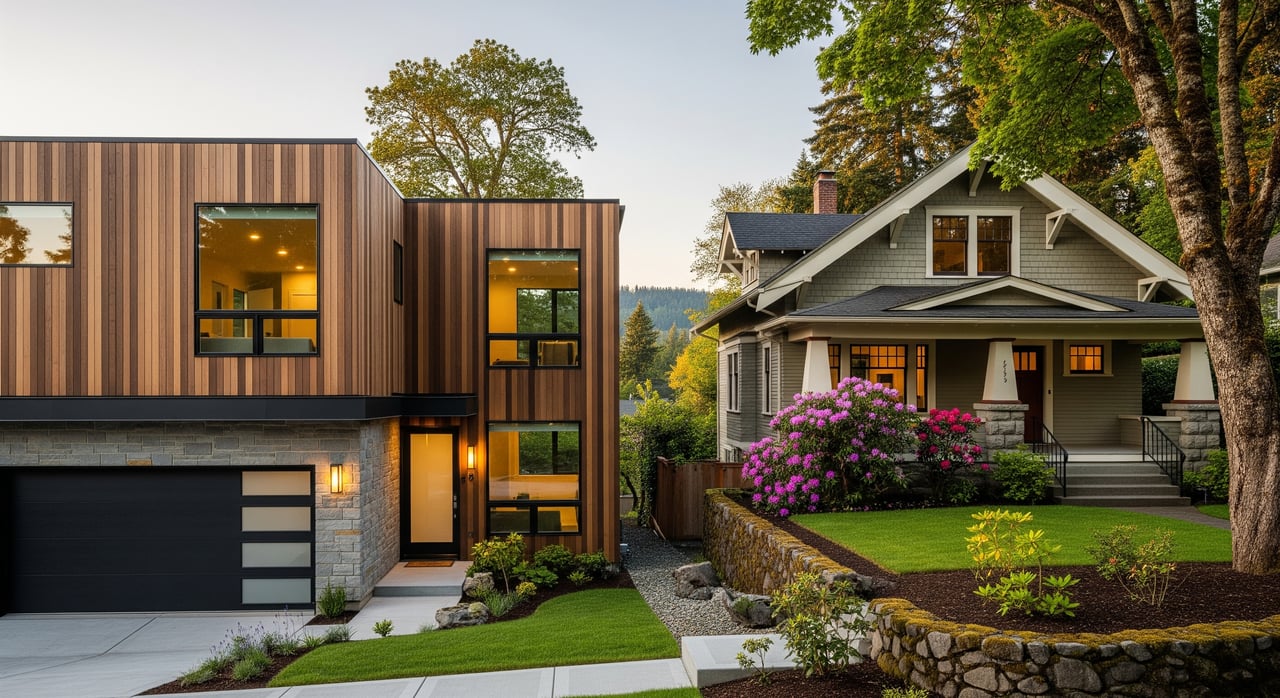
Trying to decide between a brand-new home and a resale in Happy Valley? You are not alone. With steady growth on Portland’s southeast edge, buyers like you are weighing price, timeline, and lifestyle in a competitive market. In this guide, you will see a clear comparison of new builds and resale homes, what to expect in Clackamas County, and the due diligence steps that help you buy with confidence. Let’s dive in.
Quick comparison at a glance
| Factor | New Build | Resale |
|---|---|---|
| Cost | Higher price per square foot is common; budget for upgrades and extras | Potentially lower price with room to negotiate; plan for repairs |
| Timeline | Months from contract to completion; possible delays | Typically 30–45 days from offer to close |
| Customization | Choose plans, finishes, and energy features | Limited to existing layout; remodels possible |
| Quality & Codes | Built to current Oregon codes; modern systems | Varies by age and condition; older systems may need updates |
| Warranties | Builder workmanship/mechanical/structural coverage | No builder warranty; consider a home warranty |
| HOAs | Common in new subdivisions with CC&Rs and dues | May or may not have HOAs; histories often well documented |
| Financing & Appraisal | Incentives from preferred lenders; appraisal can be tricky with few comps | Standard financing; appraisals rely on nearby closed sales |
Cost and total cost to buy
New build costs
New builds in Happy Valley often show a higher price per square foot. You are paying for modern systems, current energy standards, and that “never lived in” feel. Remember to budget for items not always in the base price, like landscaping, window coverings, select appliances, and lot premiums. Builders sometimes offer closing cost credits or rate buydowns. Make sure you understand the terms of any incentive before you commit.
Resale costs
Resale homes can come with a lower purchase price or more negotiation room. Your near-term costs depend on condition. Plan for items like roof life, HVAC age, and potential updates to wiring or plumbing. If the home needs repairs or cosmetic work, get estimates early and factor them into your offer strategy.
Local checks for costs
Ask the builder for a “what’s included” list and a sample closing-cost worksheet. If you are considering new construction, review potential impact and transportation fees in Clackamas County. For resales, request recent comparable sales for the neighborhood from local MLS data and analyze the likely repair budget with your inspector.
Timeline and transaction certainty
New build timeline
Most new builds follow a sequence: contract, permits, construction, inspections, and certificate of occupancy. Time to completion can range from several weeks to many months. Delays can happen due to weather, permit backlogs, or supplier lead times. Some builders offer move-in ready “spec” homes for faster closings, while others require staged payments as construction milestones are met.
Resale timeline
Resale purchases usually close faster. A standard escrow of about 30 to 45 days is common, depending on your loan and the seller’s needs. You might see requests for rent-backs or specific move-out dates. Clear communication on timing helps you avoid surprises at closing.
What to ask
Ask the City of Happy Valley building department about current permit review times and any backlogs. Request a written start-to-close timeline from the builder and confirm how change orders or weather delays are handled. For resales, discuss potential rent-backs and contingency timelines up front.
Customization and design
New build options
If you want a tailored layout, energy features, or accessibility elements, a new build gives you more choices. You can select floor plans, finishes, and sometimes the home’s orientation on the lot. The customization window is time-limited and upgrades often carry additional costs, so get pricing for each option before you sign.
Resale remodeling
Resale homes offer established layouts and mature landscaping. You can remodel, but that adds cost, time, and permits. Before you start a project, check permit requirements with the City of Happy Valley and build a realistic budget for design and construction.
Quality, codes, and inspections
New build standards
New construction is built to current Oregon building and energy codes. You may see newer mechanicals, improved insulation, and features like heat pumps or EV readiness. Construction quality varies by builder, so independent inspections matter. Consider inspections at key stages, such as pre-drywall, mechanical rough-in, and final walkthrough.
Resale condition
Older homes can hide issues in wiring, plumbing, or past renovations. Order a thorough home inspection and consider specialized checks, like roof, sewer scope, chimney, pest, or radon testing. Even if a resale looks move-in ready, inspections help you plan for repairs and negotiate confidently.
Warranties and defect resolution
New build coverage
Builders commonly offer layered warranties, such as one year for workmanship, two years for mechanical systems, and longer structural coverage that can extend to 10 years. Details vary. Review how claims are handled, whether coverage is in-house or through a third party, and the builder’s complaint history with the Oregon Construction Contractors Board.
Resale coverage
Resale homes do not come with builder warranties, but you can buy a home warranty for short-term coverage on appliances and major systems. Compare coverage limits, service fees, and exclusions to see if a policy fits your risk tolerance.
HOAs and long-term obligations
New subdivisions
Many new Happy Valley subdivisions establish homeowners associations with CC&Rs, design rules, and monthly or annual dues. HOAs typically fund common-area maintenance, private streets, and amenities. Review design guidelines, rental restrictions, and budgets, and look for any history of special assessments.
Established neighborhoods
Resale areas may or may not have an HOA. If there is one, you can often review a longer history of dues, budgets, and reserves. It is smart to read minutes, covenants, and reserve studies to understand future cost exposure.
Financing and appraisal
New build financing
Builders often work with preferred lenders and may offer incentives. Clarify whether your credit depends on using their lender. Appraisals in new subdivisions can be challenging if there are few closings to compare. Your lender and appraiser may use nearby new-spec sales or builder-provided comps.
Resale financing
Resale homes typically follow standard mortgage underwriting with appraisals based on recent local sales. If you are using VA or USDA financing, confirm property and builder approvals where relevant and discuss appraisal practices with your lender.
Location, lots, and value drivers
New community factors
Lot selection can shape daily life and long-term value. Consider orientation, privacy, views, topography, and proximity to roads, parks, or trails. Master-planned communities may include amenities that support value. Verify zoning, setbacks, and land-use allowances with City of Happy Valley planning resources and Clackamas County parcel maps.
Established neighborhood factors
Resale homes may offer larger lots, mature trees, and established surroundings. School attendance zones can be an important factor for many buyers. Confirm assignments with the appropriate district, such as the North Clackamas School District, for the specific address you are considering.
Environmental and hazard checks
Wildfire awareness
Some areas in the Portland metro experience seasonal wildfire risk. Review vegetation management and defensible space requirements that might apply to your lot. Ask local insurance agents about coverage availability and premiums.
Floodplain and soils
Check FEMA flood maps and any local overlays for flood risk. Site-specific soils and drainage can affect foundations and septic where applicable. Review grading plans and utility easements for new builds, and inspect drainage on resales, especially during rain.
Earthquake preparedness
Oregon is in a seismically active region. New homes follow current codes intended to improve seismic performance. For older homes, talk to your inspector about seismic retrofits and consider earthquake insurance based on your risk profile.
Due diligence checklists
New build checklist
- Get the complete “what’s included” list and the upgrade price sheet.
- Read the purchase contract, warranty terms, change-order policy, and escrow timeline.
- Request a sample closing statement and the builder’s typical inspection schedule through certificate of occupancy.
- Verify builder licensure and complaint history with the Oregon Construction Contractors Board, and review any Better Business Bureau records.
- Schedule independent inspections: pre-drywall, mechanical rough-in, and final.
- Confirm lot-specific details: grading, drainage plan, tree removal, and utility easements.
- Review HOA documents, dues, budgets, and any special assessment history.
- Get written confirmation of energy and mechanical specs, such as heat pump type, insulation R-values, and EV-ready wiring if advertised.
- Ask the Clackamas County Assessor about new-construction assessment timing and likely assessed value.
Resale checklist
- Order a general home inspection and consider roof, sewer scope, chimney, pest, or radon specialists as needed.
- Review seller disclosures and any permits for additions or major work.
- Study neighborhood comps and seasonal patterns in Happy Valley with MLS data.
- Confirm school assignments and local services for the property address.
- If an HOA applies, review covenants, budgets, minutes, and reserve status.
- Get written estimates for immediate repairs or planned remodels and include them in negotiations.
Which path fits you?
- Choose a new build if you value customization, modern energy features, and lower near-term maintenance. You are comfortable with a longer timeline and a clear process for upgrades and inspections.
- Choose a resale if you want a faster move, mature landscaping, or a larger lot. You are ready to evaluate condition, plan for repairs, and negotiate based on inspection results.
If you are still unsure, map your top three priorities, like timing, budget flexibility, and lot or location. That simple exercise often points you toward the best fit.
Next steps
You do not have to navigate this alone. A local advisor can help you compare specific Happy Valley neighborhoods, analyze builder offerings versus resale opportunities, and coordinate inspections, timelines, and negotiations. When you are ready to explore new construction and resale options side by side, reach out to Peak Realty. We will help you buy with clarity and confidence.
FAQs
Is a new home always a better investment in Happy Valley?
- Not always. New builds reduce near-term maintenance and include modern systems, while resales may offer better lots, mature landscaping, or established locations. Your return depends on neighborhood desirability, the lot, and market conditions.
How much should I budget for new-build upgrades?
- Many buyers spend around 5 to 20 percent of the base price on upgrades, plus items like landscaping and window coverings. Ask your builder for historical averages and a detailed price sheet before you commit.
Do I need inspections on a brand-new home?
- Yes. Independent inspections at pre-drywall, mechanical rough-in, and final walkthrough help catch workmanship issues before they are covered up.
Are builder warranties reliable in Clackamas County?
- Warranties vary by builder. Review written terms, confirm whether a third party backs the structural coverage, and check the builder’s record with the Oregon Construction Contractors Board.
Will appraisal be a problem in a new subdivision?
- It can be if there are limited comparable sales. Lenders and appraisers often use nearby new-spec closings or builder-provided comps, but a gap between contract price and appraised value can occur.
How do property taxes work for new construction?
- New construction is typically assessed upon completion, which can mean a higher initial assessed value. Contact the Clackamas County Assessor for the timing and likely amount for your specific property.