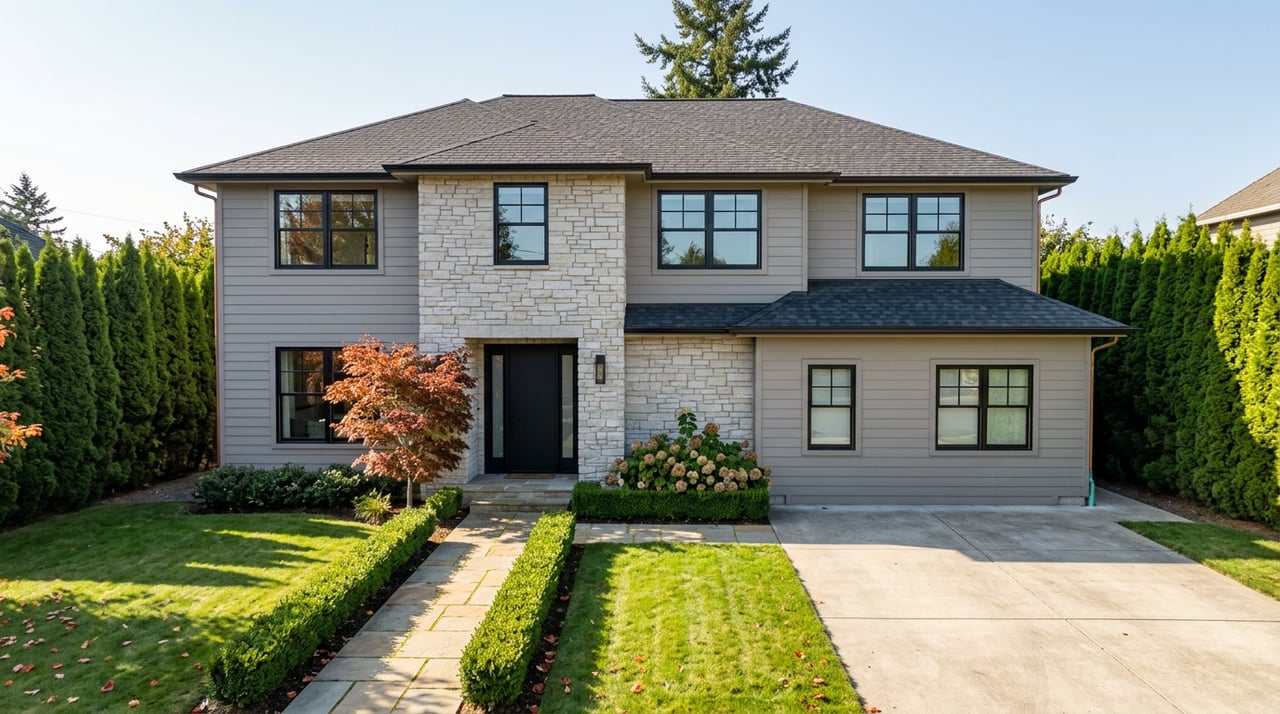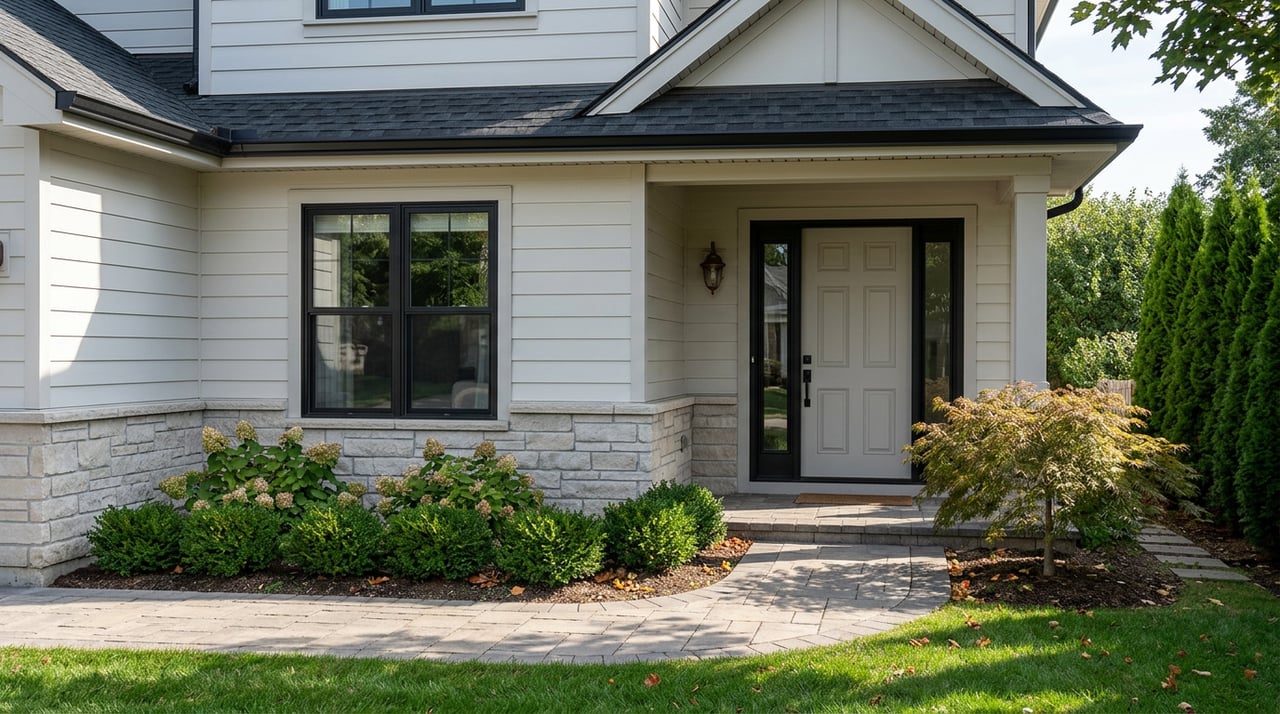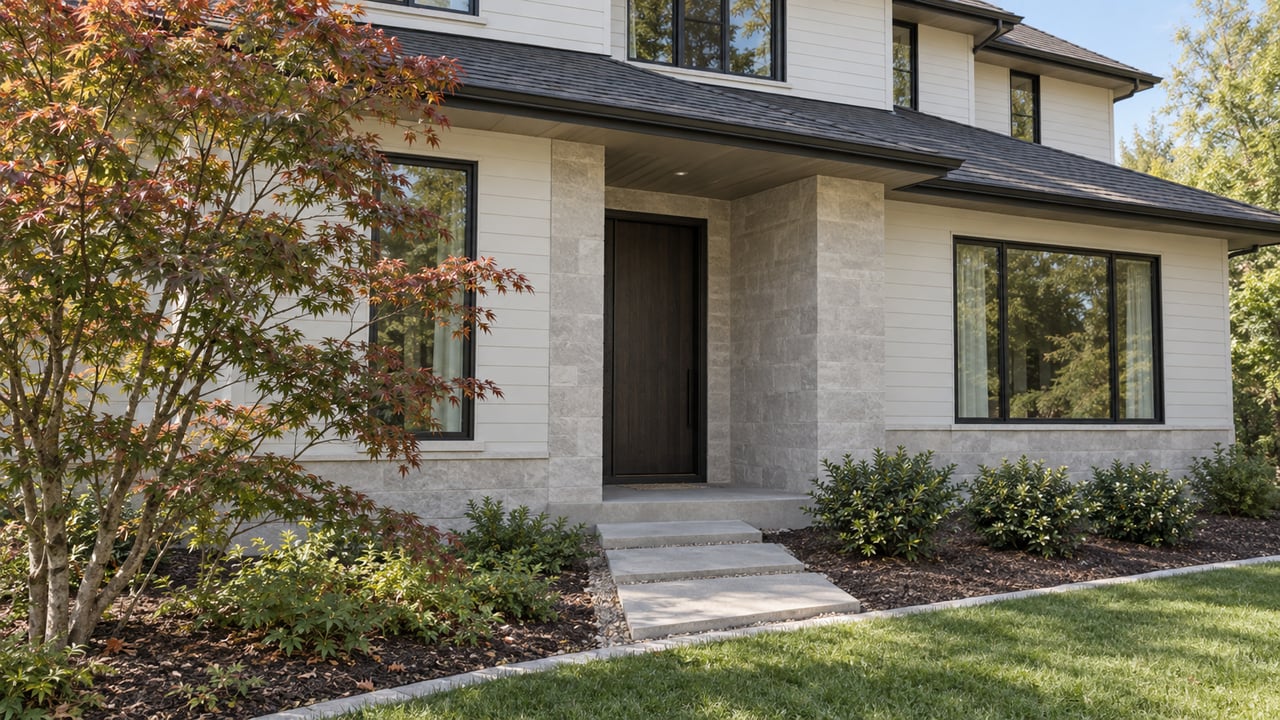
Ask a seller listing a home in Uplands this fall whether Lake Oswego is a buyer's market or a seller's market, and you'll get one answer. Ask a seller listing a home in Mountain Park the same week, and you'll get the opposite answer. Both sellers are working in the same city, the same school district, the same few miles around Oswego Lake. The number that's supposed to describe their market treats them as though they're in the same transaction. They aren't.
The citywide figures read calm. Through August 2026, the median sale price across Lake Oswego sat at $1.0 million over the trailing three months, up 11.3 percent from a year earlier, with a median price per square foot of $386. Homes were fielding two offers on average and going pending in about 27 days, down from 33 days the year before. Read on their own, those numbers describe an ordinary, gradually warming market. They don't describe what's actually happening underneath them.
The Line Runs Through $2 Million, Not Through the Calendar
An appraisal analysis of RMLS closings covering all of 2025 split the city into three price bands and found each one behaving like a different market. Under $1.5 million, supply ran from 0.7 to 2.2 months of inventory, the kind of scarcity that produces multiple offers and fast closings. Between $1.5 million and $2 million, supply evened out to roughly 4.1 months, genuinely balanced in the textbook sense. Above $2 million, supply stretched to 7.6 months across 56 active listings, a buyer's market with real room to negotiate.
That pattern hadn't faded by summer. A market update covering August 2026 described the same shape in almost the same terms: below roughly $2 million, conditions run close to balanced, with well-presented homes still drawing quick, competitive attention, while above $2 million buyers get more homes to choose from, fewer competing offers, and more leverage on price and terms. July alone produced 67 single-family sales, up from 50 in June and about 12 percent ahead of July 2025, and the first seven months of 2026 brought 334 single-family sales, roughly 16 percent more than the same stretch of 2025. Inventory sat at about 4.5 months and 203 active listings, a figure that gets called balanced in every recap and hides the fact that balance means something different depending on which side of $2 million a given home sits.
Why the Citywide Median Tells You Less Here Than Almost Anywhere Else in Oregon
A separate analysis of six months of tracked closings through early September 2026 put Lake Oswego's median sold price at $965,000, with the middle half of all sales closing anywhere between $645,000 and $1.425 million. That spread, from the 25th to the 75th percentile, ranked as the widest among 32 Oregon markets with a published band. A wide spread means the median is doing less work than it looks like it's doing. In a market with a narrow spread, knowing the median gets a shopper most of the way to knowing what a specific house is worth. In Lake Oswego, the median is a rough midpoint between two genuinely different housing stocks, and on its own it says very little about where a specific search will land.
The Neighborhood Is the Price Band
The reason the split holds together so cleanly is that price band and neighborhood are close to the same variable here. Recent neighborhood-level breakdowns of the local market show Uplands and Palisades pricing well above the citywide median, First Addition doing the same on the strength of its walk to downtown and the farmers market, and Mountain Park and Lake Forest sitting below it, the two most common entry points for buyers who want Lake Oswego schools without paying the full lakefront premium. A buyer comparing a listing in Uplands to one in Mountain Park isn't comparing two neighborhoods with the same market conditions and different finishes. They're comparing two markets that happen to share a city limit.
Small neighborhoods make this more pronounced, not less. Uplands holds around 200 homes and roughly 1,300 residents, which means its month-to-month numbers can swing hard on a handful of closings. In October 2025, the neighborhood's median days on market jumped to 84 from 4 the year before, on just five recorded sales. That swing reflects a small sample size rather than a change in buyer demand. A market with only a handful of sales each month can have one slow month and watch its median move hard as a result. A citywide days-on-market average smooths that kind of noise out entirely. A neighborhood-level read doesn't, and for anyone shopping a specific street, it shouldn't.
What This Means If You're Comparing Neighborhoods
For a buyer working with a set budget, the practical takeaway isn't which way the citywide market is trending. It's which side of the $2 million line their target neighborhoods fall on, because the negotiating posture changes completely depending on the answer. A buyer shopping Mountain Park or Lake Forest should expect the pace and competition that comes with 0.7 to 2.2 months of supply and be ready to move quickly and compete on terms, not just price. A buyer shopping Uplands, Palisades, or the lakefront blocks should expect the opposite: more time on the calendar, more room to negotiate repairs and closing costs, and less pressure to waive contingencies just to stay competitive.
For a seller, the same split determines how a listing should be priced and marketed. A home under $1.5 million can often be priced close to recent comparable sales and expect quick interest. A home above $2 million is competing against dozens of other active listings for a much smaller pool of qualified buyers, and pricing it even slightly ahead of the market can mean months on the market rather than days. Neither approach is wrong. They're answers to two different questions, and the citywide median doesn't tell a homeowner which question they're actually answering.
If you're comparing what a specific budget buys in Lake Oswego, the citywide median won't get you there. Peak Realty can walk through where your target neighborhoods and price range actually sit right now, so you know whether you're negotiating from a position of scarcity or one of leverage before you write an offer or set a list price.